

Ever feel lost in the sea of health tips online? With so much conflicting advice, it’s hard to know what’s true. One day, a snack is great, and the next, it’s bad.
Finding your way in the wellness world needs a keen eye. Many common beliefs are based on old science or marketing tricks, not real evidence. Gaining clarity is essential for your health journey.
Knowing the truth about nutrition myths helps you choose better foods. By avoiding unverified health trends, you focus on what’s good for your body. Let’s uncover the facts and clear up the confusion.
Key Takeaways
- Identify misleading health claims effectively.
- Learn how media creates dietary confusion.
- Discover the science behind popular food choices.
- Make informed decisions about your daily diet.
- Separate proven facts from popular fiction.
- Improve your long-term wellness and eating habits.
1. Myth: Carbohydrates Make You Fat
Many think carbs are the main reason for weight gain. But carbs are one of three key nutrients our bodies need. They give us energy, which is vital for our brain and nervous system.
Where This Myth Comes From
The idea that carbs cause weight gain started with low-carb diets in the early 2000s. Diets like Atkins and South Beach pushed for less carbs to lose weight. These diets might have led to quick weight loss, but the long-term effects were unclear.
People often blamed carbs for their weight loss. They didn’t think about other factors like eating fewer calories or changing their diet. This made many believe carbs are bad for weight.
What Science Actually Says
Science shows it’s not carbs that make us gain weight. It’s about eating more calories than we need. This can happen with carbs, proteins, or fats.
A study in the Journal of the American Medical Association found similar weight loss with different diets. This means the quality of our diet matters more than the type of food.
The Role of Carbs in a Healthy Diet
Carbs are essential for a healthy diet. They give us energy, and foods like whole grains, fruits, and veggies are full of fiber and nutrients.
Eating a balanced diet with complex carbs helps keep blood sugar levels stable. It also supports digestion and overall health. Focus on whole foods, not refined or sugary carbs.
Key points about carbohydrates in a healthy diet:
- They are a primary source of energy for the body.
- Whole, unprocessed carbohydrate sources are rich in nutrients.
- A balanced intake of carbohydrates supports overall health.
2. Myth: Eating Fat Makes You Gain Weight
For years, many thought eating fat made you gain weight. This idea came from the low-fat diet craze of the past. It changed how people ate and what food companies made.
The Low-Fat Diet Era
In the 1980s and 1990s, low-fat foods were all the rage. People chose foods with less fat, thinking it would help them lose weight and be healthier. But, many of these foods were actually full of added sugars and refined carbs.
Back then, people didn’t know much about different fats and how they affect us. So, they ate foods that were bad for them and missing important nutrients.
Understanding Different Types of Fats
Fats are key to a healthy diet. They help us have energy, think clearly, and absorb vitamins. But, not all fats are good for us.
Healthy Fats Your Body Needs
Unsaturated fats, like monounsaturated and polyunsaturated fats, are good for you. They can lower bad cholesterol, reduce inflammation, and make your heart healthier. You can find these fats in avocados, nuts, seeds, and olive oil.
Eating foods rich in healthy fats can boost your brain power and lower the risk of serious diseases.
Fats to Limit
But, saturated and trans fats are bad and should be eaten less. Saturated fats, found in red meat and full-fat dairy, can raise bad cholesterol and heart disease risk. Trans fats, in processed and fried foods, are very bad for your heart.
| Type of Fat | Sources | Health Effects |
|---|---|---|
| Monounsaturated Fats | Avocados, olive oil, nuts | Lowers cholesterol, reduces inflammation |
| Polyunsaturated Fats | Fatty fish, flaxseeds, chia seeds | Reduces inflammation, improves heart health |
| Saturated Fats | Red meat, full-fat dairy products | May raise cholesterol, increase heart disease risk |
| Trans Fats | Processed foods, fried foods | Increases risk of heart disease, stroke |
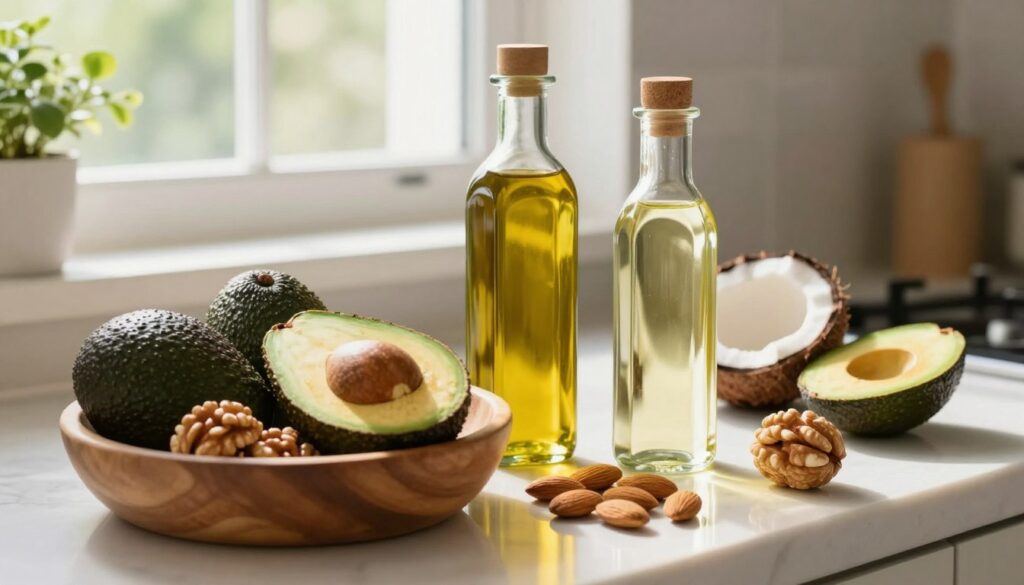
In summary, fat and weight gain aren’t as simple as we thought. Knowing about different fats helps us make better food choices. This supports our health and well-being.
3. Myth: Skipping Meals Helps You Lose Weight Faster
Many think skipping meals is a quick way to lose weight. They believe it cuts down calories and speeds up weight loss. But, this method can actually slow down your weight loss efforts.
For some, like those with health conditions, skipping meals might be okay. But it’s not good for everyone, like kids, teens, and pregnant women. It can lead to not getting enough nutrients and health problems.
Why This Strategy Backfires
Skipping meals often makes you hungrier later. This can cause you to eat more calories than if you had eaten regularly. This can lead to weight gain or stop weight loss.
Also, skipping meals can hurt your metabolism. Eating regularly keeps your metabolism going. Skipping meals makes your body slow down to save energy. This makes losing weight harder.
The Impact on Your Metabolism
Your metabolism is key to losing weight. Eating regularly keeps it active. Skipping meals slows it down, making weight loss harder.
Eating balanced meals keeps your metabolism healthy. It gives your body the nutrients it needs for good health.
Better Approaches to Calorie Control
Instead of skipping meals, try eating smaller, balanced meals. This helps manage hunger and keeps your metabolism going. Choose foods rich in nutrients for better health.
Eating well helps you lose weight and stay healthy. It’s a better way to lose weight and keep it off for good.
4. Myth: All Calories Are Created Equal
Many people think all calories are the same. But, our bodies process different nutrients in unique ways. When we talk about nutrition facts, it’s important to see that diet quality matters more than just calorie count.
The Calorie Is Not Just a Calorie
The idea that a calorie is just a calorie is too simple. The source of those calories really matters for our health. Foods are broken down differently, affecting us in various ways.
How Your Body Processes Different Foods
The way our bodies handle macronutrients – proteins, carbs, and fats – varies. Despite all providing energy, they have different effects.
Protein Calories
Protein is key for fixing and building tissues. It takes more energy for our bodies to process than carbs and fats.
Carbohydrate Calories
Carbs are our main energy source. They come in simple and complex types. The complex ones are healthier because they have more fiber and digest slower.
Fat Calories
Fats help us absorb vitamins and keep cells healthy. They pack more calories than proteins and carbs but are processed differently.
| Macronutrient | Energy Density (kcal/g) | Thermic Effect |
|---|---|---|
| Protein | 4 | High |
| Carbohydrates | 4 | Moderate |
| Fats | 9 | Low |
Knowing how our bodies handle different foods is vital. It helps us debunk myths about calories and make better food choices.
5. Myth: Egg Yolks Are Bad for Your Cholesterol Levels
For years, people thought eating egg yolks raised their cholesterol. But this idea isn’t true. Cholesterol is key for our bodies, helping with cell structure and hormone making.
The Outdated Cholesterol Hypothesis
The worry about egg yolks and cholesterol came from an old idea. This idea is now mostly wrong. Studies show that eating cholesterol doesn’t really raise blood cholesterol for most folks.
Current Research on Eggs and Heart Health
New studies look at eggs and heart health. Surprisingly, eating eggs in moderation doesn’t raise heart disease risk for most. Eggs are full of good stuff for a healthy heart.

Nutritional Benefits of Whole Eggs
Whole eggs, including yolks, are packed with nutrients. They have high-quality protein, vitamins, and minerals. They’re also a great source of choline, important for the brain and metabolism.
Egg yolks also have antioxidants like lutein and zeaxanthin, good for the eyes. Eggs are good for a balanced diet, proving they’re not bad for cholesterol.
6. Myth: You Need Detox Diets to Cleanse Your Body
The detox industry is booming, promising to cleanse our bodies of toxins. But do we really need detox diets? Our bodies have a natural system to get rid of toxins.
The Detox Industry Promises
The detox industry claims to remove toxins through special diets and supplements. These claims sound good, given our constant exposure to pollutants. But, we should look at the evidence.
Detox diets often involve eating very little or only certain juices and supplements. They promise to improve health by removing toxins. But, do they really work as promised?
Your Body’s Natural Detoxification System
Our bodies can detoxify themselves thanks to the liver and kidneys. These organs work hard to filter out toxins and waste, keeping us healthy.
How Your Liver Works
The liver is key in detoxifying the body. It filters blood from the digestive tract and removes harmful substances. It also helps metabolize nutrients and eliminate toxins.
The Role of Your Kidneys
The kidneys are vital for filtering waste from the blood. They help regulate blood pressure and maintain electrolyte balance. They are essential for removing toxins and keeping the body healthy.
Supporting Your Body’s Natural Processes
Instead of detox diets, focus on a healthy diet and lifestyle. Here are some tips:
- Eat a balanced diet rich in fruits, vegetables, and whole grains.
- Stay hydrated by drinking plenty of water.
- Exercise regularly to improve circulation and overall health.
- Get enough sleep to help your body repair and rejuvenate.
| Tips | Benefits |
|---|---|
| Eating a balanced diet | Provides essential nutrients for optimal body function |
| Staying hydrated | Helps kidneys function properly and flush out toxins |
| Regular exercise | Improves circulation and supports overall health |
By living a healthy lifestyle, you can support your body’s detoxification without fad diets or expensive supplements.
7. Myth: Dietary Supplements Can Replace Whole Foods
Many people think supplements can take the place of whole foods. But, supplements can’t replace the complex mix of nutrients found in whole foods. They are not a substitute for the vitamins, minerals, and other good stuff in whole foods.
The Supplement Marketing Claims
Supplement makers often make big claims. They say their products can give you all the nutrients you need without a balanced diet. But these claims are often misleading and not backed by science. They promise a quick fix or a way to fill nutritional gaps without changing your diet.

Why Whole Foods Are Superior
Whole foods like fruits, veggies, whole grains, lean proteins, and healthy fats are packed with nutrients. They also have fiber, antioxidants, and other good stuff that supplements often lack. Plus, whole foods are more filling and can help with weight control.
| Nutrient | Whole Foods | Dietary Supplements |
|---|---|---|
| Vitamin C | Oranges, Bell Peppers | Vitamin C tablets |
| Calcium | Dairy, Leafy Greens | Calcium supplements |
| Omega-3 Fatty Acids | Salmon, Walnuts | Fish Oil supplements |
When Supplements Are Actually Useful
While supplements are not a replacement for whole foods, they can be helpful in some cases. For example, pregnant women might need folic acid supplements to prevent birth defects. People with vitamin deficiencies might need specific supplements. Always talk to a healthcare professional before taking any supplements.
In summary, supplements have their place, but they should not replace whole foods. Eating a balanced diet with a variety of whole foods is the best way to get all the nutrients your body needs.
8. Common Nutrition Myths About Gluten and Wheat
Gluten and wheat often get a bad rap in diet culture. But do we really need to avoid them? The idea that gluten and wheat are bad for everyone is a myth. The truth is, it depends on your health.
Who Actually Needs to Avoid Gluten
Not everyone has to steer clear of gluten. But some people must because of health issues.
Celiac Disease
Celiac disease is an autoimmune condition. It makes the small intestine’s lining get damaged by gluten. This leads to poor nutrient absorption. People with celiac disease must stick to a gluten-free diet.
Non-Celiac Gluten Sensitivity
Non-celiac gluten sensitivity (NCGS) is similar to celiac disease but less severe. It causes symptoms like bloating and diarrhea. While we don’t know all the details, avoiding gluten can help those with NCGS feel better.
The Truth for the General Population
For those without celiac disease or NCGS, there’s no strong evidence that a gluten-free diet is better. In fact, cutting out gluten might mean missing out on whole grains. These grains are full of fiber, vitamins, and minerals.
Whole grains, including wheat, can be part of a healthy diet. It’s not that wheat is bad. It’s the processed wheat products that can harm our health.
Key points to consider:
- Celiac disease requires a strict gluten-free diet.
- Non-celiac gluten sensitivity may benefit from gluten avoidance.
- The general population can benefit from a balanced diet that includes whole grains.
9. Myth: Organic Food Is Always More Nutritious
Many people think organic food is always better because it’s labeled as such. This idea has caused a lot of debate among consumers, farmers, and nutritionists.
What Organic Certification Really Means
To know if organic food is always better, we need to understand what “organic” means. Organic certification means the food is made without synthetic fertilizers, pesticides, GMOs, or irradiation. This ensures organic farming is good for the environment and saves biodiversity.
Organic farming practices aim to protect the environment. But, “organic” just means how the food is made, not its nutritional value.
Nutritional Content Comparisons
Many studies have looked at the nutrition of organic and non-organic foods. They found that organic food might have fewer pesticides, but the nutritional difference is small. A big review in the Annals of Internal Medicine showed no big difference in nutrients between organic and conventional produce.
| Nutrient | Organic | Conventional |
|---|---|---|
| Vitamin C | Similar levels | Similar levels |
| Protein | Similar levels | Similar levels |
| Pesticide Residues | Lower | Higher |
When Organic Makes Sense
Choosing organic can be smart in some cases. For example, it’s good to avoid pesticides. It also supports farming that’s better for the planet.

In summary, organic food has its perks, but saying it’s always more nutritious is too simple. People should think about what matters most to them: nutrition, the environment, or avoiding pesticides. This helps decide between organic and non-organic foods.
10. Myth: You Must Drink Eight Glasses of Water Every Day
The “8×8 rule” says we should drink eight 8-ounce glasses of water daily. But, its origins and if it applies to everyone are unclear.
The Origin of the 8×8 Rule
The 8×8 rule comes from a 1945 report. It suggested drinking about 2.5 liters of water a day. But, this included water from food and drinks, not just plain water. Over time, people started to believe we only need to drink eight glasses of plain water.
The simplification of the original recommendation has led to the widespread belief that we need to drink eight glasses of water daily.
Individual Hydration Needs Vary
How much water we need varies. It depends on our age, sex, weight, how active we are, and where we live. For example, athletes or people in hot places might need more water than those who are less active or live in cooler areas.
There’s no one-size-fits-all approach to hydration. Paying attention to our body’s thirst can help us know how much water we need.
How to Know If You’re Properly Hydrated
There are ways to check if you’re drinking enough water. Look at the color of your urine, which should be pale yellow. Also, listen to your body and see how it reacts to exercise and the weather.
Understanding hydration is more than just drinking a certain amount of water. It’s about knowing what your body needs and how it responds.
11. Myth: Eating Late at Night Causes Weight Gain
Eating late at night is often blamed for weight gain. But what does science really say? Studies have looked into if eating late at night leads to weight gain.
The Meal Timing Controversy
Many think eating late slows down metabolism, leading to fat storage. But this view is too simple. Human metabolism is complex.
Our metabolism changes throughout the day. It’s affected by how active we are and our natural body clock. But eating late doesn’t directly cause weight gain because of a slower metabolism. Science doesn’t fully support this idea.
What Research Shows About Night Eating
Research on night eating shows mixed results. Some studies link late-night eating to weight gain, mainly with high-calorie foods. But other studies say it’s the total calories we eat that matters more than when we eat them.
A study in the Journal of the Academy of Nutrition and Dietetics found meal timing doesn’t greatly affect weight loss. It’s what and how much we eat that’s key, not when.
Total Daily Intake Matters Most
For weight management, it’s not just about when you eat. It’s about what and how much you eat all day. Eating too many calories will lead to weight gain, no matter the time.
Total daily calorie intake is the main factor in weight gain or loss. Eating a balanced diet without too many calories is key to staying healthy.
For some, a small, balanced meal before bed can help with feeling full. It can also help stick to a diet, aiding in weight management.
12. Myth: Red Meat Is Always Bad for Your Health
Red meat has been a key part of many diets worldwide. It offers important nutrients like protein, iron, and vitamin B12. Yet, its link to health issues has made many think it’s always bad.
It’s true that some red meats, like processed ones, have a lot of saturated fat. But the truth is more complex. Studies show that eating lean red meat in moderation can be okay.
It’s important to understand the myths about red meat to make better food choices. Looking at the facts and the good things red meat offers helps us make smarter diet choices.
In short, saying red meat is always bad is too simple. Seeing the real impact of red meat on health helps clear up myths. It encourages us to eat better.
