

Everyone wants to feel their best every day. True happiness starts with a solid foundation. This is where your mind and body work together in harmony.
Focusing on your internal balance lets you face the world with energy and confidence. Experts at Avant Supported Living say caring for your physical and mental health is key. This guide offers practical lifestyle advice for lasting well-being.
Investing in yourself today means a brighter and more stable future.
Embracing healthy living doesn’t have to be hard. Small changes can lead to big results over time. This makes your daily routine feel more vibrant and purposeful.
You deserve to live a life filled with joy, strength, and mental clarity.
Key Takeaways
- Build a strong foundation by focusing on both mind and body.
- Start with small, manageable habits to ensure long-term success.
- Prioritize consistent movement and balanced nutrition every day.
- Practice mindfulness to maintain emotional and mental stability.
- Understand that physical health directly impacts your overall happiness.
- Seek expert guidance to create a sustainable wellness routine.
Understanding the Foundation of Well-Being
The foundation of well-being is a balance between mental health and physical health. This balance is key to a vibrant, energetic life. Avant Supported Living believes in the power of small, consistent choices.
Daily decisions can greatly affect our health. Simple habits like regular exercise, healthy eating, and mindfulness boost both mental and physical health. It’s about living a lifestyle that supports health, not making big changes that are hard to keep up.
- Nurturing mental health through stress management and positive thinking
- Prioritizing physical health with regular exercise and a balanced diet
- Cultivating a supportive social network
- Engaging in activities that bring joy and fulfillment
Understanding and addressing these basics helps build a strong foundation for well-being. It’s a journey that needs patience, self-awareness, and daily commitment to healthy choices.
Prioritize Quality Sleep for Optimal Health
Getting quality sleep is key for staying healthy. It helps our body and mind heal. During sleep, our body fixes damaged cells and builds new ones.
Creating Your Ideal Sleep Environment
Having a good sleep space is vital. It should be cool, dark, and comfy.
Optimizing Temperature and Lighting
A cool bedroom is better for sleep than a warm one. The best temperature is 60-67 degrees Fahrenheit. Darkness is also key; use blackout curtains or blinds to block light. Also, less noise helps a lot.
- Keep the bedroom cool, dark, and quiet.
- Invest in blackout curtains or blinds.
- Consider using earplugs or a white noise machine.
Choosing the Right Mattress and Pillows
The right mattress and pillows are important. Find a mattress that’s comfy and supportive. Pillows should keep your spine straight.
- Select a mattress based on your preferred firmness.
- Replace your mattress every 7-10 years.
- Choose pillows that support your sleeping position.
Establishing a Consistent Sleep Schedule
Sticking to a sleep schedule helps your body’s clock. It makes falling and staying asleep easier.
The Power of a Bedtime Routine
A bedtime routine tells your body it’s time to sleep. It can be reading, meditation, or a warm bath. A regular bedtime routine relaxes your mind and body.
- Develop a calming pre-sleep routine.
- Avoid screens for at least an hour before bedtime.
- Try relaxation techniques like deep breathing or meditation.
Nourish Your Body with Mindful Eating
Eating mindfully is as important as what we eat. It’s key for our overall health. Mindful eating means focusing on the experience of eating and drinking, both physically and emotionally.
Building a Balanced Plate
To nourish your body well, you need a balanced plate. This means including foods from different groups.
The Importance of Whole Foods
Whole foods like fruits, vegetables, lean proteins, and grains are essential. Avant Supported Living suggests focusing on these for a healthy diet. Eating whole foods helps ensure you get the nutrients your body needs.
Portion Control Without Deprivation
Controlling your portions is key for a balanced diet without feeling deprived. It’s about being aware of how much you eat and making sure it matches your body’s needs.
The Power of Hydration
Staying hydrated is vital for nourishing your body. Drinking enough water boosts your energy and health.
Practicing Mindful Eating Habits
To eat mindfully, start by removing distractions during meals. Savor each bite and notice the flavors, textures, and smells of your food. This way, you can enjoy your meals more and have a better relationship with food.

Move Your Body Every Day
Daily movement is key for a healthy life. Finding the right activities is important. Regular exercise boosts both physical and mental health.
Finding Physical Activities You Actually Enjoy
Finding joy in exercise is the secret to sticking with it. Avant Supported Living says to find movement that brings joy and energy. Try dancing, walking, or stretching to see what you like.
Exploring Different Exercise Styles
There are many exercise styles to try. You might like HIIT, yoga, Pilates, swimming, cycling, or team sports. With so many options, you can find what works best for you.
Incorporating Movement into Daily Routines
Adding movement to your daily life is also important. Simple changes can make a big difference.
Simple Ways to Stay Active Throughout the Day
Take the stairs instead of the elevator. Go for short walks during breaks. Do stretching exercises at your desk. Even small actions count, and they can help you stay active all day.
- Take a short walk during your lunch break
- Use a standing desk or adjustable desk to alternate between sitting and standing
- Do household chores or gardening as a way to stay active
Cultivate Mental Wellness Through Mindfulness
In today’s fast world, adding mindfulness to your day can boost your mental health. Oprah Daily says mindfulness keeps you in the moment and lowers stress. Just a few minutes each day can make a big difference in your mental health.

Simple Meditation Practices for Beginners
Meditation is a great way to practice mindfulness every day. Beginners can start with short sessions of 5-10 minutes. Focus on your breath and let go of thoughts without judgment. As you keep practicing, you’ll find it easier to stay present.
Tips for Effective Meditation:
- Find a quiet, comfortable space to meditate.
- Use a guided meditation app if needed.
- Be patient with yourself as you develop your practice.
Breathing Techniques for Instant Stress Relief
Breathing techniques are also great for mindfulness and stress relief. One effective method is the 4-7-8 breathing.
The 4-7-8 Breathing Method
This method, also called the “Relaxation Breath,” involves breathing in through your nose for 4 counts. Hold your breath for 7 counts, then exhale through your mouth for 8 counts. It can calm your nervous system and help you relax.
“When you breathe, you feed your body oxygen, the most essential element for your body’s functioning. Proper breathing can reduce stress, improve your mood, and promote overall well-being.”
Adding these breathing techniques to your daily routine can help you manage stress better. It can also improve your mental wellness.
Build and Maintain Meaningful Relationships
Building strong connections with others can really improve our lives. Oprah Daily says it’s key to nurture close bonds and set healthy limits. This is vital for meaningful relationships.
Nurturing Close Connections
Investing time and effort in important people is key. It’s about being fully present and engaged in the relationship.
Quality Time Over Quantity
Quality time with loved ones is more valuable than how much time you spend together. Doing things together and having deep talks can make bonds stronger.
“The way we spend our time is the way we spend our lives,” a saying that shows the value of quality interactions.
Active Listening Skills
Active listening is a great way to build connections. It means really listening to what the other person says, understanding their view, and responding thoughtfully.
- Maintain eye contact to show you’re engaged.
- Avoid interrupting, letting the other person fully share.
- Show empathy through your responses.
Setting Healthy Boundaries
Healthy boundaries are key for good relationships. It’s about being clear about what you need and what you won’t do.
Learning to Say No with Confidence
Learning to say no confidently is important for setting boundaries. It helps you protect your time and energy for what’s truly important.
“The difference between the right word and the almost right word is the difference between lightning and a lightning bug.” This quote shows how important clear communication is, like when setting boundaries.
Being clear and direct helps keep healthy relationships while also respecting your own needs.
Master Stress Management Techniques
Learning to manage stress is vital for a healthier, happier life. Stress is a part of life, but you can handle it. Avant Supported Living suggests finding healthy ways to cope with stress.
Identifying Your Personal Stress Triggers
Understanding what causes your stress is the first step. Identifying your personal stress triggers helps you prepare for or avoid stressful situations. Common causes include work, money worries, and personal issues.
- Keep a stress journal to track when you feel stressed and what might have caused it.
- Identify patterns or common themes in your stress triggers.
- Develop strategies to mitigate or avoid these triggers when possible.
Effective Coping Strategies That Work
After finding your stress triggers, it’s time for effective coping strategies. Coping strategies help manage stress and improve your life.
Some good strategies include:
- Physical activity, such as walking or yoga, to reduce stress and improve mood.
- Meditation and mindfulness practices to calm the mind.
- Seeking social support from friends, family, or a professional counselor.
Progressive Muscle Relaxation
Progressive muscle relaxation involves tensing and relaxing muscles. It helps reduce physical tension and promotes relaxation.
- Start by tensing the muscles in your toes and then release.
- Work your way up through the body, tensing and relaxing each muscle group.
- Practice deep breathing to enhance the relaxation effect.
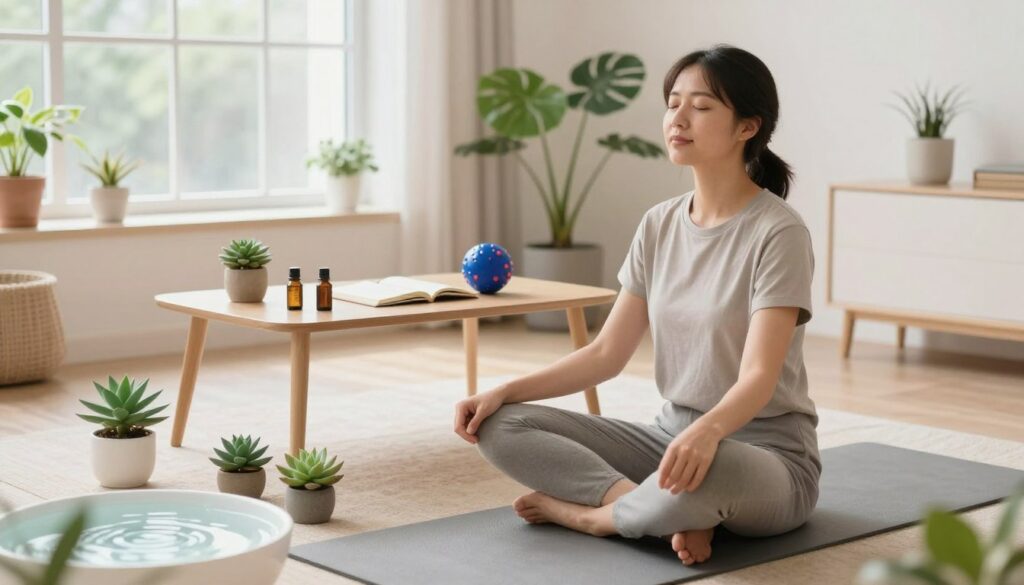
Journaling is a great way to release emotions and manage stress. Writing down your thoughts and feelings helps you understand them better.
To start journaling:
- Set aside a quiet, comfortable space to write.
- Write freely without worrying about grammar or spelling.
- Reflect on your entries to identify patterns or areas for improvement.
Create a Work-Life Balance That Actually Works
Finding the right mix between work and personal life can really improve your life quality. It’s not just about dividing time between work and fun. It’s also about making sure your environment supports your well-being. Avant Supported Living says setting clear work boundaries is key to a better balance.
Setting Clear Professional Boundaries
It’s vital to have clear work boundaries to keep work and personal life separate. This means telling your boss and coworkers when you’re available and when you’re not.
Disconnecting After Work Hours
One good way to set boundaries is to not work after hours. This means not checking emails or taking calls when you’re off the clock. It lets you enjoy your personal time and get ready for the next day.
Benefits of Disconnecting After Work Hours:
- Less stress and burnout
- More focus and productivity at work
- Better personal relationships and experiences
Making Time for What Truly Matters
It’s just as important to make time for personal stuff and people. This means putting personal time in your planner, just like work. It helps you keep your priorities straight.
Effective Time Management Tips:
| Tip | Description | Benefit |
|---|---|---|
| Prioritize tasks | Do the most important tasks first | More productivity |
| Use a planner | Plan both work and personal tasks | Better time use |
| Learn to say no | Don’t take on too much | Less stress |
By using these tips, you can achieve a work-life balance that improves your life quality.

Design Your Living Space for Maximum Well-Being
Creating a living space that promotes well-being is more than looks. It’s about making a healthy environment. Your home should be a place of peace and health for your mind and body.
Decluttering for Mental Clarity
Decluttering helps clear your mind and lowers stress. By getting rid of things you don’t need, you focus better and feel more calm.
Oprah Daily says decluttering boosts mental clarity. It makes you feel less overwhelmed and anxious.
- Start with small areas, like your desk or a single shelf.
- Sort items into categories: keep, donate, and discard.
- Consider the 80/20 rule: 80% of the time, you likely use 20% of your belongings.
Adding Natural Elements to Your Home
Adding natural elements to your home boosts well-being. This includes plants, wood, and natural fabrics.
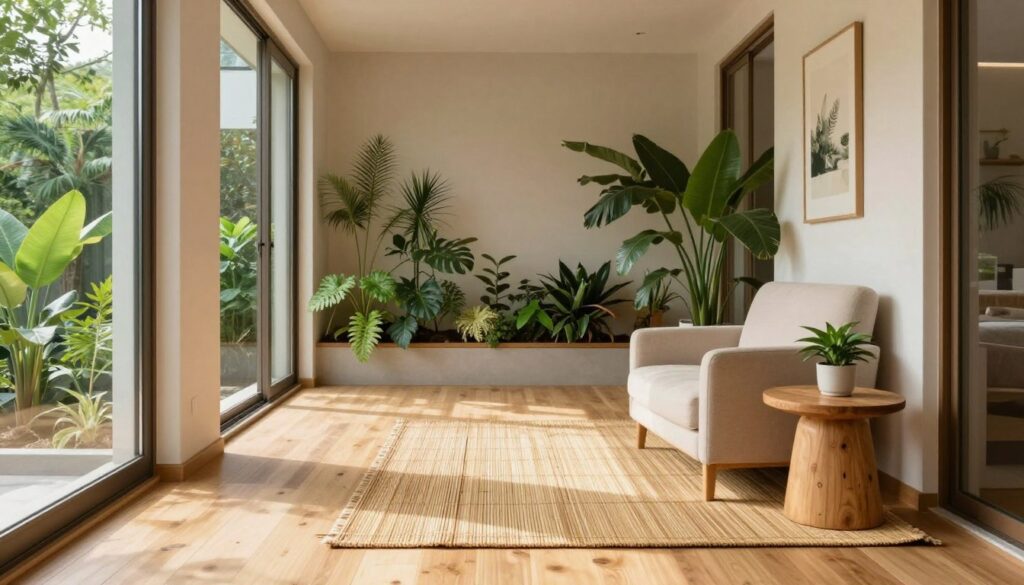
The Benefits of Indoor Plants
Indoor plants do more than look good. They clean the air and lift your mood. Here are some benefits:
| Benefit | Description |
|---|---|
| Air Purification | Plants absorb pollutants and release oxygen, improving indoor air quality. |
| Mood Enhancement | Being around plants can reduce stress and improve your mood. |
| Aesthetic Appeal | Plants add a natural beauty to your living space. |
By following these tips, you can make a space that looks good and feels good for your well-being.
Practice Gratitude and Positive Thinking Daily
Gratitude and positive thinking can greatly improve your mental and emotional health. By making these habits part of your daily life, you can see the world in a brighter light. This can also boost your health.
Oprah Daily says that being thankful and changing negative thoughts are key. These actions make you stronger mentally. They also help create a supportive space for growth.
Starting a Gratitude Journal
Keeping a gratitude journal is a great way to be thankful. Spend a few minutes each day writing about what you’re grateful for. It could be a nice cup of coffee, a stunning sunset, or a friend who supports you.
Writing down what you’re thankful for changes your brain. It makes you focus on the good things in your life. Over time, you’ll notice more positive things around you.
“When you focus on being a grateful person, you begin to see the world in a different light.”
Reframing Negative Thoughts into Opportunities
It’s also important to change negative thoughts into positive ones. This means spotting negative thoughts and finding a positive spin on them.
For example, instead of thinking “I’ll never be able to do this,” say “This is a challenge, and I’ll learn from it.” This way of thinking helps you face problems with a positive attitude.
By practicing gratitude and positive thinking every day, you become more resilient and optimistic. This can lead to better mental health, stronger relationships, and a happier life.
Invest in Continuous Personal Growth
Embracing lifelong learning is key for personal growth. Oprah Daily says it’s a valuable investment in yourself. It helps you grow, learn new things, and become better.
There are many ways to invest in personal growth. Two important areas are learning new skills and hobbies, and reading to expand your mind.
Developing New Skills and Hobbies
Learning new skills and hobbies makes life richer and keeps your mind sharp. It could be learning a new language, playing a musical instrument, or trying a new sport. The joy of learning something new is unmatched.
Setting Achievable Learning Goals
To get the most from learning new skills, set achievable goals. Break down your learning into smaller steps. Celebrate your progress to stay motivated and keep moving forward.
For example, if you’re learning a new language, start with 15 minutes a day. As you get better, increase the time and dive into more complex topics.
Reading for Personal Expansion
Reading is a powerful way to grow personally. It introduces you to new ideas and perspectives, broadening your view of the world. Reading can be a great escape, learning tool, and growth experience.
“Reading is a basic tool in the living of a good life.” This quote shows how important reading is for personal growth. By making reading a daily habit, you can gain new insights, improve empathy, and see life in a more nuanced way.
To make reading a habit, set aside a specific time each day. Create a cozy reading space and explore different genres to find what you enjoy most.
Essential Lifestyle Advice for Financial Wellness
Managing your finances well is the first step to a better life. It’s not just about saving money. It’s about living a lifestyle that makes you feel good. Making smart financial choices can lower stress and boost your sense of security and freedom.
Creating a Realistic Budget You Can Stick To
Creating a budget that fits your life is the first step to financial wellness. Start by tracking your income and expenses. Be honest with yourself about your spending habits and find ways to save.
Use the 50/30/20 rule as a guide. Spend 50% on necessary expenses, 30% on fun stuff, and 20% on saving and paying off debt. Flexibility is key; your budget should change as your finances do.
Building an Emergency Fund
An emergency fund is vital for financial wellness. It helps during unexpected times like job loss or medical emergencies. Aim to save three to six months’ worth of living expenses.
Starting Small and Staying Consistent
Start small when building an emergency fund. Begin with a goal like saving $1,000 or one month’s expenses. Consistency is key; set up automatic transfers to your savings or emergency fund.
Remember, it’s not just about the amount. It’s about being consistent and patient. Every little bit counts, and your savings will grow over time. Keep your emergency fund in an easily accessible savings account.
Limit Screen Time and Digital Distractions
It’s important to balance technology use with other parts of life. Too much screen time can harm our mental and physical health. Avant Supported Living says cutting down on screen time, like before bed, can boost well-being.
Setting Technology Boundaries
Setting clear tech use limits is key. This means deciding when to check emails or social media. By doing this, you can stay focused and lower stress.
Implementing App Time Limits
Setting app time limits is a smart way to control tech use. Many devices and apps have features to track and limit screen time. For example, you can set daily limits for apps, and they’ll let you know or block you when you hit it.
- Find out which apps take up the most time and limit them.
- Use app features to track and limit screen time.
- Plan regular digital detoxes to refresh your habits.
Creating Tech-Free Zones in Your Home
Having tech-free areas or times can cut down on distractions. For example, making your bedroom or dining table tech-free can help you sleep better and improve family time.
Creating a tech-free zone is easy. Just decide not to use devices during meals or an hour before bed. This helps you live more mindfully and connect with the world around you.
- Find important areas in your home where tech isn’t needed.
- Make rules for tech-free times, like during meals or before bed.
- Get everyone in your household to follow these rules.
Find Purpose and Meaning in Daily Life
Living with intention and embracing your core values can greatly improve your sense of purpose. Oprah Daily says finding your core values and aligning your actions with them is key. This means understanding what truly matters to you and making choices that reflect those values.
Living a life that matches your core values brings a sense of direction and satisfaction. This alignment leads to a more fulfilling life. Your daily actions and long-term goals are guided by what’s truly important to you.
Discovering Your Core Values
Finding your core values is the first step to purpose and meaning. Core values guide your decisions and actions. To find yours, reflect on what matters most in life.
- Think about times when you felt most fulfilled and happy. What values were honored then?
- Consider the issues you’re most passionate about. These often reflect your core values.
- Look at your long-term goals. What values are in your aspirations?
Knowing your core values helps you make decisions that support a life of purpose and meaning.
Aligning Your Actions with Your Purpose
After finding your core values, align your actions with your purpose. This means making intentional choices that reflect your values and support your goals.
- Set clear goals that match your core values. This keeps you focused on what’s important.
- Prioritize your time and energy on activities that support your goals and values.
- Be mindful of your daily habits and ensure they help achieve your purpose.
Aligning your actions with your purpose creates a life full of meaning and fulfillment.
Remember, finding purpose and meaning is an ongoing journey. It takes patience, self-reflection, and a willingness to adapt. By staying true to your core values and aligning your actions with your purpose, you can unlock a more fulfilling life.
Develop Sustainable Self-Care Rituals
Creating lasting self-care habits is key to feeling good and living well. Avant Supported Living says self-care is essential for wellness. By adding self-care to your daily life, you can handle stress better, feel mentally and physically better, and feel more fulfilled.
Self-care is personal; it’s about finding activities that care for your mind, body, and spirit. Making self-care a priority helps you live a balanced and strong life.
Morning Routines That Energize Your Day
Starting your day right can make a big difference. Morning routines help you feel ready to face the day’s challenges.
- Start with a gentle stretch or some light exercise to boost your energy.
- Try a mindfulness meditation or deep breathing to clear your mind.
- Have a healthy breakfast to fuel up for the day.
The First Hour Formula
The first hour of your day is very important. A consistent morning routine can bring calm and control. The First Hour Formula is about using the first hour for self-care that boosts your mind and energy.
“The way you start your day sets the tone for the rest of it. Begin with intention and purpose.”
Evening Wind-Down Practices
As the day ends, it’s important to relax to get ready for sleep. Evening routines help your body know it’s time to rest.
- Dim the lights and reduce noise to create a calm space.
- Do something relaxing, like reading or listening to music.
- Stay away from screens for at least an hour before bed to avoid blue light.
Preparing for Restorative Sleep
Having a sleep-friendly environment is key for good sleep. Simple changes to your evening can make you sleep better and wake up feeling great.
By adding these self-care habits to your daily life, you can improve your well-being and life quality. Remember, self-care is a journey that needs commitment and patience, but it’s worth it.
Conclusion
As we go through life, making choices is key for our well-being. This article offers advice to help us control our health and happiness. By focusing on good sleep, eating mindfully, and taking care of our minds, we can improve our lives.
Avant Supported Living helps people live their best lives through healthy habits. Adding exercise, managing stress, and building strong relationships can make life more balanced and fulfilling. These habits can lead to better well-being and a more meaningful life.
By following this advice and making smart choices, we can greatly improve our well-being. Remember, small, steady changes can bring big benefits. This way, we can reach our full capacity and live a life that truly reflects our values and dreams.
