

Getting a good night’s sleep is as vital as eating well and exercising. Poor sleep can hurt your brain and mood. It can also lead to heart problems and a weak immune system.
Consistent fatigue makes it tough for your body to heal after a long day. Finding good sleep strategies can boost your energy and focus. Small changes today can make a big difference in your health later.
Working on better sleep helps you wake up feeling refreshed. You should feel your best every day. Getting enough deep sleep helps your mind and body recover from stress.
Key Takeaways
- Quality rest is a vital pillar of overall wellness and longevity.
- Poor recovery harms heart health and weakens the immune system.
- Constant fatigue negatively impacts mood and daily cognitive performance.
- Small habit shifts can improve sleep quality significantly over time.
- Consistent nighttime routines help you wake up feeling fully refreshed.
- Healing the body during the night is essential for mental clarity.
Why Deep Sleep Matters for Your Health and Well-being
Deep sleep is more than just feeling tired. It’s key to keeping you healthy and feeling good. Good sleep helps your health, while bad sleep can hurt your mood, thinking, heart, and more.
Deep sleep helps your body and mind heal. It fixes damaged cells, builds bones and muscles, and boosts your immune system. It’s also when your brain cleans out toxins and makes memories stronger.
Deep sleep offers many health benefits. It affects:
- Mood regulation
- Cognitive function and concentration
- Heart health and cardiovascular risk reduction
- Immune system function
- Risk reduction for chronic diseases like obesity and diabetes
Let’s look at how deep sleep affects different parts of our body. The table below shows some key points:
| System | Impact of Deep Sleep | Consequences of Poor Deep Sleep |
|---|---|---|
| Mood and Cognitive Function | Regulates emotions, improves concentration | Increased irritability, decreased focus |
| Cardiovascular Health | Helps regulate blood pressure | Increased risk of heart disease |
| Metabolic Health | Supports glucose regulation | Increased risk of diabetes and obesity |
In short, deep sleep is not just a rest. It’s an active process that boosts your health and happiness. Making sure you get enough quality deep sleep is vital for its many benefits.
Understanding the Science Behind Deep Sleep Cycles
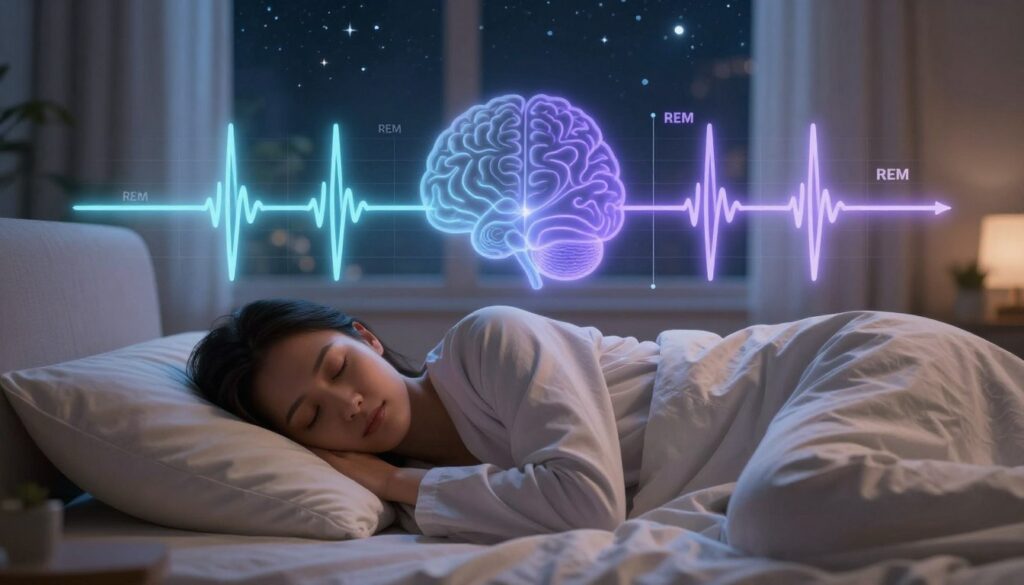
Deep sleep is key to a good night’s rest. It’s also known as slow-wave sleep. This stage is vital for physical recovery, mental rejuvenation, and health.
What Happens During Deep Sleep
Deep sleep is when the body repairs and regenerates tissues. It builds bone and muscle and strengthens the immune system. Brain waves slow down, making the body less responsive to outside stimuli.
This stage is also important for memory consolidation. Studies show deep sleep helps process and retain memories.
Key processes during deep sleep include:
- Tissue repair and regeneration
- Muscle growth and strengthening
- Immune system enhancement
- Memory consolidation
How Much Deep Sleep Do You Really Need
The need for deep sleep changes with age. Adults usually need 15-20% of their sleep to be deep. But this percentage can shift as we age.
Age-Based Deep Sleep Requirements
As we age, we sleep less and our body’s rhythms change. For example:
| Age Group | Average Deep Sleep Percentage |
|---|---|
| Young Adults (18-25) | 20-25% |
| Adults (26-64) | 15-20% |
| Older Adults (65+) | 10-15% |
Signs You’re Not Getting Enough Deep Sleep
Not getting enough deep sleep can harm your health. Some signs include:
- Fatigue and Lack of Energy: Feeling tired even after a full night’s sleep.
- Difficulty Concentrating: Trouble focusing and being mentally clear during the day.
- Mood Disturbances: Feeling more irritable, anxious, or depressed.
- Impaired Physical Recovery: Injuries heal slower or you have persistent muscle soreness.
Spotting these signs is the first step to better sleep.
How To Get More Deep Sleep: Proven Methods That Deliver Results
To improve deep sleep, knowing what affects it is key. Start with a regular sleep schedule and a cozy sleep space. These steps are vital for better sleep.
Creating the Foundation for Quality Sleep
A good sleep area and a calm pre-sleep routine are essential. Make sure your bedroom is dark, quiet, and cool. A comfy mattress and pillows also matter a lot.
Start winding down with activities like reading, meditation, or a warm bath. It tells your body it’s time to sleep. But, stay away from screens before bed. The blue light they give off can mess with your sleep hormone.
| Activity | Benefits for Sleep |
|---|---|
| Reading before bed | Relaxes the mind and body |
| Meditation or deep breathing | Reduces stress and anxiety |
| Avoiding screens before bedtime | Minimizes blue light exposure, promoting melatonin production |
Measuring Your Progress and Adjusting Your Approach
Keep track of your sleep to find what works best. Use a sleep diary or a wearable device. They help you see where you can get better.
Be patient and keep trying new things. It might take a while to see better deep sleep. Change your sleep space, routine, or relaxation methods based on what you learn.
Optimize Your Bedroom Environment for Maximum Deep Sleep
A well-designed sleep environment is key for deep sleep benefits. Your bedroom should be a place for relaxation and rejuvenation. By adjusting temperature, light, and noise, you can improve your sleep quality.
Setting the Ideal Temperature for Deep Sleep
The bedroom’s temperature affects sleep. Studies show cooler rooms help sleep better.
The Sweet Spot: 60-67 Degrees Fahrenheit
Keeping your bedroom between 60-67 degrees Fahrenheit is best for sleep. This temperature helps your body’s internal thermostat, leading to better sleep. Use enough blankets to stay warm in a cooler room, keeping your body temperature comfortable.

Controlling Light and Darkness Effectively
Light affects your circadian rhythms. A dark environment is key for deep sleep.
Blackout Curtains and Sleep Masks
Blackout curtains or sleep masks block light. This is vital for those who sleep during the day or in areas with bright street lights.
Managing Noise Levels in Your Sleep Space
Noise impacts sleep quality. A quiet space is essential for sleep.
Use white noise machines or earplugs to reduce noise. A consistent, soothing sound environment can enhance your sleep quality.
The Perfect Sleep Schedule: Timing Is Everything
Getting the timing right is key for a sleep schedule that fits you. Your body’s internal clock is controlled by light, darkness, and routine. A consistent sleep schedule can make your sleep better and help you wake up feeling great.
Finding Your Optimal Bedtime Window
Finding your best bedtime means knowing your natural sleep cycle. Most adults need 7-9 hours of sleep each night. To figure out your bedtime, count back from when you want to wake up. For example, if you want to wake up at 7:00 AM and sleep for 8 hours, you should go to bed by 11:00 PM.
Think about your daily life and what you like when setting your bedtime. Work, family, and personal preferences should guide your choice. This ensures your sleep schedule is doable and keeps you happy.
Why Consistency Beats Everything Else
Consistency is vital for a healthy sleep schedule. Sleeping and waking up at the same time every day, including weekends, helps your body’s clock. This can make your sleep better, improve rest, and boost your health.
A regular sleep schedule also helps your bedtime routine. Doing the same things before bed tells your body it’s time to sleep. This makes falling asleep easier.
Weekend Sleep Schedules and Deep Sleep
Keeping your sleep schedule on weekends is tough but important for consistent sleep. Irregular sleep on weekends can mess with your body’s clock. This can make it hard to wake up on Monday and hurt your deep sleep quality.
By sticking to your sleep schedule on weekends, you keep your body in sync for better deep sleep. You don’t have to give up your weekends. Just try to keep your sleep and wake times close to your usual.
Evening Habits That Promote Deeper Sleep
The hours before bed are key for a good night’s sleep. Adding relaxing habits to your evening routine can make your sleep deeper.
Building Your 90-Minute Wind-Down Routine
Starting a 90-minute wind-down routine before bed tells your body it’s time to sleep. This time helps you relax after a busy day.
Relaxing Activities That Signal Sleep Time
Doing relaxing activities calms your mind and body. Good choices include:
- Reading a book
- Practicing meditation or mindfulness
- Taking a warm bath
- Listening to soothing music
Experts say relaxation before bed, like mindfulness or meditation, boosts sleep quality. Adding these to your routine helps a lot.
“A relaxing bedtime routine can help signal to your brain that it’s time to sleep, making it easier to fall asleep and stay asleep.”
Activities to Avoid Before Bed
Knowing what not to do before bed is just as important. Some activities can make it hard to sleep deeply.
- Engaging in intense exercise
- Consuming heavy meals
- Participating in stimulating conversations
Managing Screen Time and Blue Light Exposure
Screen time and blue light exposure before bed can mess with your sleep. The blue light from screens can lower melatonin levels, making it tough to sleep.
To reduce this effect, use blue light filtering glasses or apps. Also, try to cut down on screen time to at least an hour before bed.
Nutrition Strategies to Enhance DeepSleep Quality
Eating the right foods is key to better deep sleep. Foods that promote relaxation can help your body get ready for sleep. Adding sleep-promoting foods to your diet and avoiding certain foods before bed can improve your sleep.
Sleep-Promoting Foods to Add to Your Diet
Some nutrients in your diet can boost deep sleep. Certain foods help relax you and support your natural sleep cycle.
Tryptophan-Rich Foods
Tryptophan is an amino acid that makes serotonin and melatonin. These neurotransmitters help you sleep. Tryptophan-rich foods like turkey, chicken, fish, beans, and eggs are good for sleep.
Nuts and seeds, like almonds and sunflower seeds, are also rich in tryptophan. Eating these in the evening can help you sleep better.
Complex Carbohydrates and Sleep
Complex carbs increase serotonin, which relaxes you. Foods like whole grain bread, brown rice, and sweet potatoes are full of complex carbs. Eating these in the evening can improve your sleep.

Foods and Drinks to Avoid Before Bedtime
Some foods and drinks can mess with your sleep. It’s important to avoid them before bed for good sleep.
Caffeine is a stimulant that can keep you awake. Avoid coffee, tea, and energy drinks close to bedtime. Alcohol can also mess with your sleep, so try to avoid it before bed.
The Best Timing for Your Last Meal
When you eat your last meal can affect your sleep. Eating too close to bedtime can cause discomfort and indigestion.
Try to eat your last meal 2-3 hours before bed. This lets your body digest and can prevent sleep problems. If you need a snack, choose something light like complex carbohydrates or a tryptophan-rich food.
Exercise and Physical Activity for Better Deep Sleep
Physical activity can improve sleep quality. But, the type and timing are key. Different exercises affect deep sleep in different ways.
The Best Types of Exercise for Sleep Quality
Not all exercises are created equal when it comes to sleep. Knowing how they differ can help you choose the right ones for better deep sleep.
Aerobic Exercise and Deep Sleep
Aerobic exercises, like walking or swimming, boost sleep quality. Aerobic exercise can reduce stress and anxiety, making it easier to fall into deep sleep. Studies show it increases deep sleep each night.
Strength Training Benefits
Strength training also improves sleep. Building muscle helps regulate sleep patterns. It’s good for overall health and sleep.
- Aerobic exercises like jogging or cycling improve cardiovascular health and sleep.
- Strength training builds muscle and supports better sleep quality.
- Flexibility exercises, such as yoga, can also promote relaxation before bed.
Timing Your Workouts for Optimal Sleep Results
When you work out affects your sleep. Exercising too close to bedtime can be bad. It’s best to finish your workout a few hours before bed to relax.
Here are some tips for timing your workouts:
- Morning workouts can help regulate your circadian rhythms.
- Avoid vigorous exercise within 2-3 hours of bedtime.
- Consider a relaxing activity, like yoga or stretching, closer to bedtime.

Stress Management Techniques That Improve Sleep Quality
Adding stress management to your daily life can greatly improve your sleep. Stress often disrupts sleep, making it hard to get deep rest. By managing stress, you can calm your mind and body, readying them for a good night’s sleep.
Meditation and Mindfulness Practices Before Bed
Meditation and mindfulness are great for reducing stress and improving sleep. They calm the mind, stopping the thoughts that keep you awake. Mindfulness meditation is known to lower stress and anxiety, helping you sleep better.
To start meditating before bed, begin with short sessions of 5-10 minutes. As you get more comfortable, you can increase the time. Guided meditation apps or videos can help you begin.

Progressive Muscle Relaxation Step-by-Step
Progressive muscle relaxation (PMR) involves tensing and relaxing muscles. It helps release tension, promoting relaxation and reducing stress.
To do PMR, tense your toes for a few seconds, then relax. Move up your body, tensing and relaxing each muscle group. This is great before bed, signaling your body it’s time to sleep.
Powerful Breathing Exercises for Sleep
Breathing exercises are also effective for managing stress and improving sleep. Deep breathing slows your heart rate, lowers blood pressure, and relaxes you.
The 4-7-8 Breathing Technique
The 4-7-8 breathing technique, or “relaxation breath,” involves breathing in for 4 counts, holding for 7, and exhaling for 8. It calms your nervous system, preparing your body for sleep.
| Stress Management Technique | Description | Benefits for Sleep |
|---|---|---|
| Meditation and Mindfulness | Practices that calm the mind and reduce stress | Improves sleep quality, reduces anxiety |
| Progressive Muscle Relaxation | Tensing and relaxing muscle groups to release tension | Promotes relaxation, reduces physical tension |
| Breathing Exercises | Techniques like the 4-7-8 method to calm the nervous system | Slows heart rate, lowers blood pressure, promotes relaxation |
The Role of Caffeine and Alcohol in Deep Sleep
Caffeine and alcohol can affect our deep sleep quality. They might be fun in small amounts, but they can mess with our sleep patterns.
Understanding Caffeine’s Impact on Your Sleep Cycles
Caffeine is a stimulant that can make it hard to fall asleep and stay in deep sleep. Drinking it close to bedtime means you’ll likely sleep less deeply.
“Caffeine can stay in your system for several hours after consumption, making it harder to fall into deep sleep.” So, it’s key to be careful with when you drink it.
The Six-Hour Caffeine Rule
Experts suggest the “six-hour rule” for caffeine. This means no caffeine six hours before bed to avoid sleep problems.
- Watch out for hidden caffeine in things like some meds or chocolate.
- Try decaf or half-caf drinks in the afternoon.
- Slowly cut down on caffeine if you drink it all day.
How Alcohol Disrupts Your Deep Sleep Stages
Alcohol might make you feel sleepy at first, but it messes with your sleep. It can make your sleep lighter and less refreshing.
“Alcohol consumption before bed can significantly reduce the amount of deep sleep and REM sleep you get.”
Alcohol messes with your body’s natural sleep cycle.
To lessen alcohol’s effect on sleep, drink less or skip it before bed.
Natural Supplements That May Support Deep Sleep
Getting a consistent sleep schedule and bedtime routine is key. But, some natural supplements can also help improve deep sleep quality. These supplements support the body’s natural sleep processes and enhance rest quality.
Magnesium for Sleep Enhancement
Magnesium is a mineral that helps regulate sleep. It relaxes the body, reduces stress, and improves sleep quality. A lack of magnesium can lead to sleep disorders, making supplements a good solution.
Types of Magnesium and Dosage
There are many types of magnesium, each with unique properties. Magnesium glycinate and magnesium citrate are best for sleep because they are easily absorbed and relaxing. Taking 200-400 mg before bed is usually effective.
Melatonin and Its Proper Use
Melatonin is a hormone that controls sleep-wake cycles. It helps those with sleep disorders or jet lag. Knowing the right dosage and timing is key to its effectiveness.
The usual melatonin dose is 0.5 to 5 mg, taken 30-60 minutes before bed. Start with a low dose and adjust as needed. Always talk to a healthcare professional for the best approach.
Other Evidence-Based Sleep Supplements
Other supplements, like L-theanine and glycine, also support deep sleep. They help relax and improve sleep quality.
L-Theanine and Glycine
L-theanine, found in green tea, lowers stress and promotes calmness. Glycine, an amino acid, helps lower body temperature for better sleep.
L-theanine and glycine can be taken as supplements. L-theanine doses are 200-400 mg, and glycine is 3-5 grams before bed. Always check with a healthcare professional before starting.
Technology and Tools to Track and Improve Deep Sleep
Sleep tracking devices and apps have changed how we monitor and better our deep sleep. These tools help us understand our sleep patterns better. They also show us where we can get better.
Sleep Tracking Devices and Apps Worth Using
Sleep tracking devices and apps have many features to help us watch our sleep quality. They can track how long we sleep, the stages of sleep, and even sleep disruptions.
Wearable Sleep Trackers
Wearable sleep trackers, like smartwatches and fitness bands, are great for watching sleep patterns. They track sleep stages, including deep sleep, and give insights into sleep quality. Some top wearable sleep trackers are:
- Fitbit
- Garmin
- Apple Watch
Smartphone Sleep Apps
Smartphone sleep apps are also a good choice for tracking sleep. These apps can monitor sleep quality, track sleep stages, and offer guided relaxation to help sleep. Some top sleep apps are:
- Calm
- Headspace
- Sleep Cycle
White Noise Machines and Other Sleep Aids
There are also sleep aids like white noise machines to help improve deep sleep. White noise machines create a soothing environment that helps relax and sleep better.
Benefits of White Noise Machines:
- Improve sleep quality by masking background noise
- Enhance relaxation and reduce stress
- Create a consistent sleep environment
Using sleep tracking technology with sleep aids like white noise machines can help improve deep sleep quality.
Common Deep Sleep Disruptors and How to Avoid Them
Knowing what disrupts deep sleep is key to better sleep. Many things, like health issues and some medicines, can mess with our sleep.
Medical Conditions That Affect Deep Sleep
Some health problems can really mess with deep sleep. Knowing about these can help manage their sleep impact.
Sleep Apnea and Deep Sleep
Sleep apnea causes breathing pauses during sleep, messing with deep sleep. Sleep apnea can break up sleep and lower blood oxygen, hurting health.
The American Academy of Sleep Medicine says sleep apnea is a big sleep disorder risk. It can harm health if not treated.
“Sleep apnea is a big risk for heart disease, and treating it can improve health.”
Restless Leg Syndrome
Restless Leg Syndrome (RLS) also messes with deep sleep. It makes you want to move your legs, often with uncomfortable feelings. This makes it hard to fall or stay asleep, lowering deep sleep quality.
| Condition | Impact on Deep Sleep | Management Strategies |
|---|---|---|
| Sleep Apnea | Disrupts sleep continuity, reduces oxygen levels | CPAP therapy, lifestyle changes |
| Restless Leg Syndrome | Interferes with falling asleep, reduces sleep quality | Dopaminergic agents, lifestyle modifications |
Medications That May Interfere with Sleep Quality
Some medicines can mess with deep sleep. For example, some antidepressants and blood pressure meds can change sleep patterns. Talking to your doctor about sleep side effects is important.
Common medications that can affect sleep include:
- Certain antidepressants
- Blood pressure medications
- Corticosteroids
When to Consult a Sleep Specialist
If you keep having trouble sleeping or think a health issue is messing with your sleep, see a sleep specialist. They can check you out and suggest treatments.
Signs that you should consult a sleep specialist include:
- Persistent trouble falling or staying asleep
- Feeling very tired during the day
- Symptoms of sleep disorders like sleep apnea or RLS
Conclusion
Getting a good night’s sleep is key to staying healthy. Learning about deep sleep cycles and how to improve sleep quality can greatly boost your health. A good sleep environment, regular sleep times, and calming evening routines are vital for quality rest.
Adding these simple steps to your daily life can make a big difference in your deep sleep. This can lead to better physical and mental health, sharper thinking, and a stronger immune system. Make sleep a top priority and enjoy all the good things it brings.
