

Having a bright smile is great, but your oral health is more than looks. It’s key to your body’s health and long life. Many think brushing twice a day is enough, but small mistakes can cause big problems.
Knowing your daily habits is important for your teeth and gums. Even if you think you’re doing everything right, small changes can help a lot. We often ignore signs of trouble until it’s too late.
Fixing your technique now saves time and money later. We’ll show you how to avoid Common Dental Hygiene Mistakes to keep your mouth healthy. Your future self will be grateful for your efforts today.
Key Takeaways
- Brush for a full two minutes twice every day.
- Floss consistently to reach the spaces between teeth.
- Replace your toothbrush every three to four months.
- Avoid using excessive pressure while cleaning your gums.
- Drink plenty of water to wash away food particles.
- Schedule professional checkups at least twice a year.
Why Your Daily Dental Routine Might Be Failing You
Brushing your teeth is just the start of keeping your mouth healthy. Many think brushing twice a day is enough. But, a good routine also includes proper brushing, flossing, and more.
People often make mistakes in their dental care. For example, not brushing for the full two minutes, twice a day. Or, using the wrong brushing technique can lead to poor cleaning and health problems.
To make your dental routine better, let’s look at some important points. The table below shows common practices and their downsides.
| Common Practice | Potential Shortcoming |
|---|---|
| Brushing twice a day | Not brushing for the full two minutes or using the wrong technique |
| Not flossing daily | Leaving food particles and plaque between teeth |
| Using the same toothbrush for too long | Worn-out bristles become ineffective and harbor bacteria |
Knowing these common mistakes can help you improve your dental hygiene routine. Focus on using the right brushing technique, flossing every day, and changing your toothbrush when needed.
Brushing Too Hard or Using the Wrong Technique
Many people unknowingly damage their teeth and gums by brushing too hard or using the wrong technique. Brushing your teeth is a fundamental aspect of oral hygiene, but the method matters significantly.
The Damage Caused by Aggressive Brushing
Brushing too hard can wear down the enamel on your teeth and irritate your gums. This can lead to sensitivity and recession. Aggressive brushing can also cause the gums to pull away from the teeth. This creates pockets that can trap bacteria and lead to infection.
Proper Brushing Techniques for Optimal Cleaning
To brush effectively, place your toothbrush against your teeth at a 45-degree angle, pointing towards the gum line. Use gentle circular motions to clean the teeth, making sure to cover all surfaces. Brushing for the full recommended two minutes ensures a thorough clean.
Choosing the Right Toothbrush Bristle Firmness
Selecting a toothbrush with the right bristle firmness is key. A soft-bristled toothbrush is generally recommended as it is gentle on the gums and effective at removing plaque. Hard-bristled toothbrushes can damage gums and tooth enamel, which is bad if used with aggressive brushing techniques.
By adopting a gentle brushing technique and choosing the right toothbrush, you can protect your teeth and gums. This helps maintain good oral hygiene.
Not Brushing Long Enough
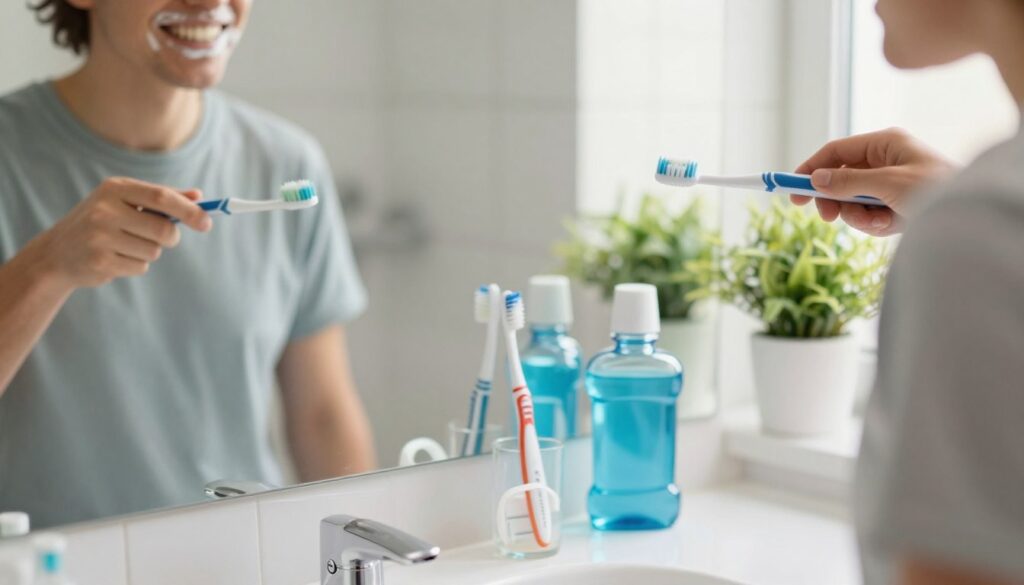
Not brushing for long enough is a common mistake. Brushing your teeth for two minutes is key. It helps remove plaque and bacteria that can cause dental problems.
Why Two Minutes Matters for Thorough Cleaning
Brushing for two minutes covers all tooth surfaces. Rushing through brushing can miss plaque and bacteria. This can lead to cavities and gum disease. The American Dental Association says brush for two minutes, twice a day, for good oral health.
Tools and Techniques to Help You Time Your Brushing
To brush for two minutes, try different tools and techniques. Many electric toothbrushes have timers, or use a mobile app. Here’s a comparison of some methods:
| Method | Effectiveness | Ease of Use |
|---|---|---|
| Electric Toothbrush with Timer | High | Easy |
| Mobile App | Medium | Easy |
| Manual Timer | High | Medium |
Adding one of these methods to your dental hygiene routine can help. It ensures you brush for the right amount of time.
Skipping Flossing or Doing It Incorrectly
Flossing is often skipped or done wrong. It’s key for removing plaque and food stuck between teeth. This can lead to oral health issues if not done right.
Not flossing daily can harm your teeth and gums. Plaque and bacteria build up, causing gum inflammation and infection, known as gingivitis. If not treated, gingivitis can turn into periodontitis, leading to tooth loss.
The Consequences of Neglecting to Floss Daily
Without daily flossing, plaque builds up between teeth and under the gumline. This can make gums red, swollen, and sore. Over time, plaque turns into tartar, which only a dentist can remove. Regular flossing stops these problems by removing plaque and debris early.
The Right Way to Floss Your Teeth
Flossing right is key to its success. Start with a long piece of floss, wrap it around your fingers, and leave a bit in between. Slide the floss between teeth, curving it around each tooth in a “C” shape. Move it up and down, making sure to go under the gumline. Do this for all teeth, including the back sides of molars.
Tip: Be gentle when flossing to avoid gum damage. Floss at least once a day, best before brushing at night, to remove food and plaque.
Alternative Flossing Tools for Different Needs
For those struggling with traditional flossing, there are other options. Interdental brushes clean between wide-spaced teeth. Floss picks make it easier to get between teeth. Water flossers use water to clean, great for tight teeth or dental work like braces.
By adding flossing to your daily routine and choosing the right tools, you can greatly improve your oral health. This prevents many dental problems.
Using the Same Toothbrush for Too Long
How often you change your toothbrush affects your dental health. An old toothbrush can’t clean well and may spread bacteria. This can harm your mouth.
Dr. Emily Jones, a renowned dentist, says, “Changing your toothbrush often is key to good oral health. It’s not just about looks; it’s about your mouth’s health.”
When Bristles Become Ineffective and Harbor Bacteria
With time, toothbrush bristles wear out. This makes cleaning less effective. Also, an old toothbrush can hold a lot of bacteria. The American Dental Association suggests changing your toothbrush every three to four months or sooner if the bristles are frayed.
| Toothbrush Condition | Effectiveness | Bacterial Growth |
|---|---|---|
| New | High | Low |
| Frayed Bristles | Low | High |
| Worn Out | Very Low | Very High |
How Often to Replace Your Toothbrush
How often you need to change your toothbrush depends on how you use it and its condition. Generally, you should replace it every three to four months. But, if the bristles are frayed or you’ve used it after being sick, change it sooner.
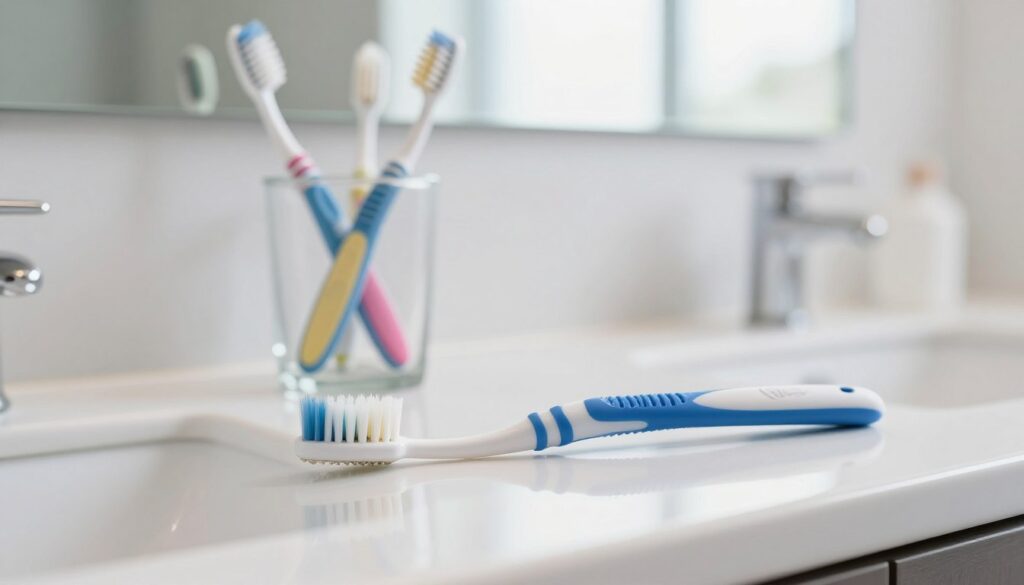
Regularly checking and replacing your toothbrush is part of good dental care. It helps keep your teeth clean and reduces bacterial risk.
Common Dental Hygiene Mistakes with Toothpaste Selection
Choosing toothpaste is more than picking a flavor. It’s about picking the right ingredients for your teeth. With so many options, it can be hard to know which one is best for you.
Choosing the Wrong Toothpaste for Your Specific Needs
Different toothpastes are made for different needs. For example, if your teeth are sensitive, you need a special toothpaste. Using the wrong toothpaste can lead to ineffective cleaning and potentially exacerbate oral health issues.
- Sensitive teeth: Look for toothpaste containing potassium nitrate or strontium chloride.
- Gum health: Choose a toothpaste with antibacterial ingredients.
- Whitening: Opt for a toothpaste with mild abrasives and hydrogen peroxide.
Using Too Much or Too Little Toothpaste
Using the right amount of toothpaste is key. Using too much can lead to an overdose of fluoride, causing problems like fluorosis. Using too little might not clean your teeth well enough.
The American Dental Association says to use a pea-sized amount for everyone. This amount is enough to cover your teeth without using too much.
Understanding Fluoride and Other Key Ingredients
Fluoride is important in toothpaste because it strengthens teeth and prevents decay. But not all toothpastes have fluoride. Some may have baking soda or essential oils instead.
When picking a toothpaste, think about your oral health needs. Look for the American Dental Association (ADA) Seal of Acceptance. It means the product is safe and works well.
Brushing Immediately After Eating Acidic Foods
Many people don’t know that brushing teeth right after eating acidic foods can harm the enamel. Acidic foods and drinks are common in many diets. It’s important to understand how they affect our teeth.
How Acid Softens Your Enamel Temporarily
Acidic foods or drinks soften the enamel on your teeth. Enamel is the hard, outer layer of your teeth that protects them from decay. When it’s softened, it’s more likely to get damaged by brushing.
The Optimal Waiting Time Before Brushing
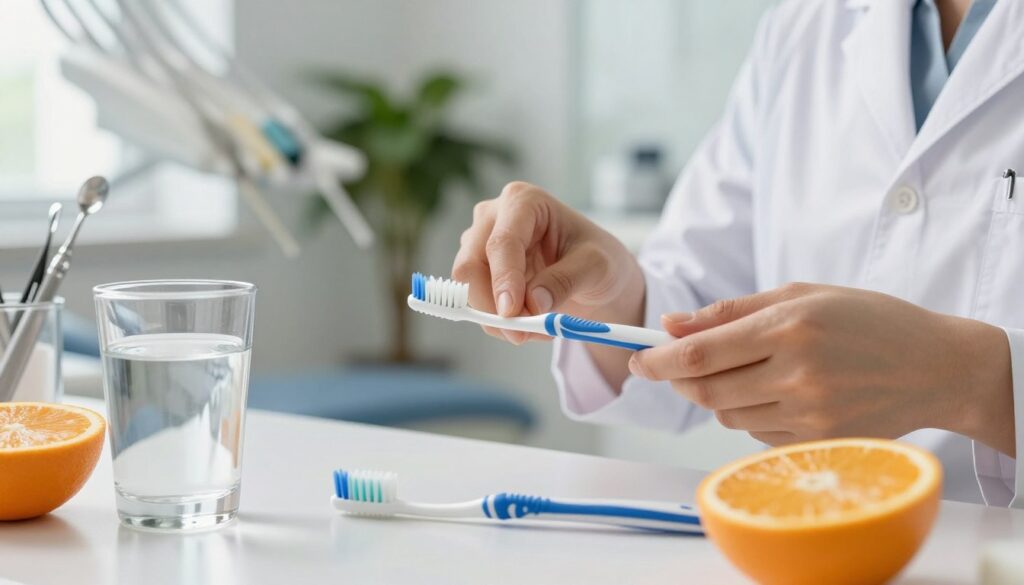
Dentists say wait at least 30 minutes to an hour after eating acidic foods before brushing. This lets the enamel harden again, making it safer to brush.
What to Do After Consuming Acidic Foods and Drinks
Rinse your mouth with water after eating acidic foods or drinks to neutralize the acid. Chewing sugar-free gum can also stimulate saliva production. Saliva helps naturally neutralize acids and remineralize teeth.
Being careful about when you brush and protecting your teeth after acidic foods helps keep your oral health good. This prevents unnecessary damage to your teeth.
Ignoring Your Tongue During Oral Care
Good oral hygiene is more than brushing and flossing. It also means paying attention to often-neglected areas like the tongue. The tongue can hold a lot of bacteria, leading to bad breath and affecting your overall mouth health.
Bacteria Buildup on Your Tongue Surface
The tongue’s surface is perfect for bacteria to grow because of its texture and moisture. This buildup can cause bad breath (halitosis) and help plaque form on teeth. It’s important to clean your tongue regularly to avoid these problems.
Effective Tongue Cleaning Methods and Tools
There are many ways and tools to clean your tongue:
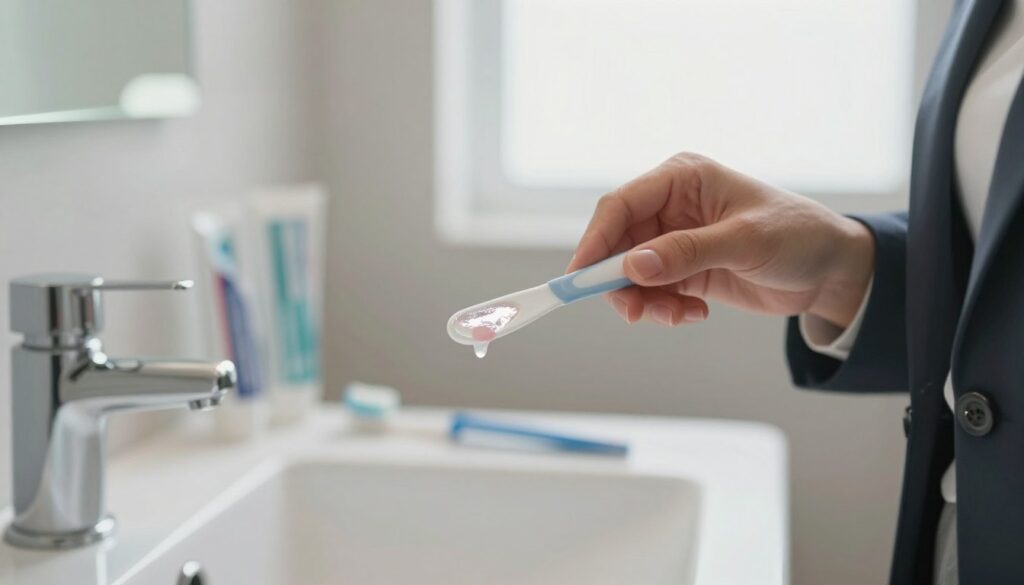
- Tongue Scraper: A tool made to remove bacteria and debris from the tongue’s surface.
- Toothbrush: Some toothbrushes have a tongue cleaner on the back or can be used gently on the tongue.
- Antibacterial Mouthwash: Mouthwash can kill bacteria on the tongue and in the mouth.
Adding tongue cleaning to your daily routine can greatly improve your mouth health and freshness.
Misusing Mouthwash or Skipping It Entirely
Mouthwash can boost your oral health, but misuse or skipping it can harm. It’s meant to add to brushing and flossing. It fights plaque, gingivitis, and bad breath.
Common Mouthwash Mistakes to Avoid
Don’t use mouthwash right after brushing. It can wash away fluoride from toothpaste. Also, swishing it too little or using too little can miss spots.
Dental experts say, “Using mouthwash right can really improve your oral care.”
“Mouthwash can reach areas hard to clean with a toothbrush and floss, giving a deeper clean.”
Choosing and Using Mouthwash Correctly
Choose a mouthwash with the American Dental Association (ADA) Seal. It shows it’s safe and works well. Use the amount shown on the label and swish for 30 seconds to 1 minute.
| Mouthwash Type | Benefits | Usage Tips |
|---|---|---|
| Antiseptic | Reduces plaque and gingivitis | Use as directed, usually 30 seconds |
| Fluoride | Strengthens tooth enamel | Use once daily, preferably before bed |
| Whitening | Helps remove surface stains | Use as part of your morning routine |
When to Rinse with Mouthwash in Your Routine
Best to use mouthwash after brushing and flossing. But wait at least 30 minutes after eating or drinking acidic stuff. This helps protect your tooth enamel.
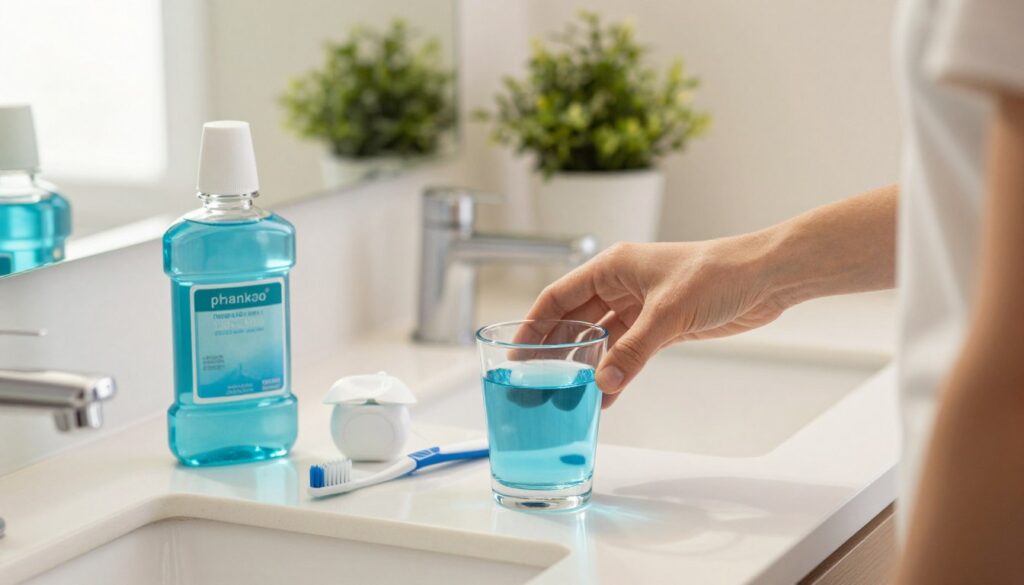
Knowing how to use mouthwash right can make your dental care better. It helps keep your mouth healthy and clean.
Not Drinking Enough Water Throughout the Day
Water is key to a clean and healthy mouth. Drinking lots of water keeps your mouth moist. It also helps make saliva, which is good for your teeth.
How Dehydration Affects Oral Health and Saliva Production
Not drinking enough water can hurt your mouth. It makes less saliva, which is bad for your teeth. Saliva helps clean your mouth and fight off bad bacteria.
Water’s Role in Maintaining a Healthy Mouth
Water cleans your mouth by washing away food and bacteria. It also keeps your mouth’s pH balance right. This stops acids from harming your teeth.
| Benefits | Description |
|---|---|
| Saliva Production | Supports the production of saliva, which helps to neutralize acids and wash away food particles. |
| Oral Hygiene | Rinses away food particles and bacteria, reducing the risk of oral health problems. |
| pH Balance | Helps maintain the pH balance in the mouth, preventing the formation of acids that can damage teeth. |
Storing Your Toothbrush Improperly
Storing your toothbrush right is key to stop bacteria growth. If you don’t store it well, it can become a place for bacteria. This can lead to mouth infections and other dental problems.
Bacterial Growth on Poorly Stored Toothbrushes
Bad storage can cause bacterial contamination. For example, putting your toothbrush in a closed space or covering it can make a humid area. This is perfect for bacteria to grow.
Key factors that contribute to bacterial growth include:
- Moisture
- Poor ventilation
- Proximity to other contaminated items
Best Practices for Toothbrush Storage and Hygiene
To keep your toothbrush clean, follow these tips:
- Rinse your toothbrush well with water after each use.
- Put your toothbrush in an open place or holder to dry.
- Don’t store your toothbrush near others to avoid spreading germs.
The American Dental Association says, “Toothbrushes should be stored upright and air dry.”
“Proper toothbrush care can significantly reduce the risk of bacterial contamination.”
| Storage Method | Effect on Toothbrush Hygiene |
|---|---|
| Closed Container | Promotes bacterial growth due to moisture retention |
| Open Container/Upright Holder | Allows for air drying, reducing bacterial growth |
By following these easy steps and choosing the right toothbrush, you can keep it clean. This will help your dental health a lot.
Neglecting Regular Dental Checkups and Cleanings
Not going to the dentist regularly can cause big problems with your teeth and mouth. Going to the dentist often helps stop issues like cavities, gum disease, and bad breath. It also saves you from expensive treatments later on.
Why Professional Cleanings Are Essential for Prevention
Professional cleanings are key to getting rid of plaque and tartar. These things can build up on your teeth, even if you brush and floss well. They help keep your gums and teeth healthy and strong.Also, they can catch problems early, making them easier to fix.
How Often You Should Visit Your Dentist
How often you need to see the dentist varies. Most people should go every six months for a checkup and cleaning. But, if you have dental problems, your dentist might say you need to go more often.
What Happens During a Professional Dental Cleaning
At a dental cleaning, your dentist or hygienist will clean your teeth. They remove plaque and tartar, even below the gum line. They also polish your teeth to remove stains and make them smooth.This helps stop bacteria from building up and causing trouble later.
| Procedure | Description | Benefits |
|---|---|---|
| Scaling | Removal of plaque and tartar | Prevents gum disease |
| Polishing | Smoothing tooth surfaces | Reduces bacteria accumulation |
| Fluoride Treatment | Application of fluoride | Strengthens tooth enamel |
Consuming Too Many Sugary and Acidic Foods
Your diet is key to keeping your teeth healthy. Eating too much sugar and acid can harm your teeth. This can lead to cavities and tooth erosion.
The Impact of Diet on Dental Health
What we eat affects our teeth. Sugary foods feed mouth bacteria, making acid that harms teeth. Acidic foods and drinks also erode tooth enamel, making teeth weak to decay.
Foods to Limit and Healthier Alternatives
It’s important to cut down on sugary and acidic foods. Avoid candies, cakes, and citrus fruits. Instead, choose dairy for calcium and crunchy fruits and veggies for natural cleaning.
| Foods to Limit | Healthier Alternatives |
|---|---|
| Candies and chocolates | Nuts and seeds |
| Citrus fruits and juices | Apples and berries |
| Sugary drinks | Water and unsweetened tea |
Timing Your Meals to Protect Your Teeth
Eating at regular times helps protect your teeth. Snacking too much exposes teeth to acid, raising decay risk. Rinsing with water after eating is also good.
Being mindful of your diet can greatly improve your oral health. Regular dental visits and good hygiene, along with a healthy diet, keep your smile bright.
Ignoring Teeth Grinding and Clenching
Many people don’t know they grind their teeth at night. This can cause serious damage. Grinding your teeth, or bruxism, can wear down enamel, make teeth sensitive, and cause jaw pain. It’s important to notice the signs and take steps to protect your teeth.
Signs You Might Be Grinding Your Teeth at Night
Knowing the signs of teeth grinding is the first step. Common signs include:
- Waking up with jaw pain or a headache
- Noticing worn-down or flattened teeth
- Experiencing sensitivity in your teeth
- Hearing a grinding or clenching sound while you sleep
If you see any of these signs, you should talk to your dentist.
Solutions to Protect Your Teeth from Grinding Damage
There are ways to protect your teeth from grinding damage. These include:
| Solution | Description | Benefits |
|---|---|---|
| Mouthguard | A custom-fitted mouthguard worn at night | Protects teeth from grinding, reduces jaw pain |
| Stress Management | Techniques such as meditation or yoga | Reduces stress that can lead to teeth grinding |
| Dental Correction | Adjusting the bite or crowns to alleviate grinding | Addresses underlying dental issues causing grinding |
By understanding the signs and using these solutions, you can keep your teeth safe and maintain good oral health.
Using Tobacco Products and Smoking
Tobacco products and smoking harm more than just your lungs. They also affect your mouth. Tobacco use is linked to many oral health problems.
How Smoking and Tobacco Damage Your Oral Health
Smoking and using tobacco can cause many oral health issues. These include gum disease, tooth loss, and oral cancer. The chemicals in tobacco products can stain your teeth and cause bad breath. Tobacco use can also make it harder to taste and smell, making oral health worse.
The American Cancer Society says tobacco use is a big risk for oral cancers. This shows why it’s important to fight tobacco use for good oral health.
Resources and Support for Quitting Tobacco
Quitting tobacco is tough, but there’s help available. Nicotine replacement therapy (NRT) and prescription medications can help with withdrawal. Counseling and support groups are also key in quitting.
For those trying to quit, the American Cancer Society’s QuitForLife Program and the National Cancer Institute’s Smoking Quitline offer great help. Using these resources can greatly improve your chances of quitting tobacco for good.
Sharing Toothbrushes or Oral Care Items
Sharing toothbrushes or oral care items might seem harmless. But it can harm your oral health. It can spread bacteria and germs between people, causing infections and oral health problems.
Health Risks of Sharing Dental Tools
Sharing toothbrushes or oral care items means sharing bacteria and germs. This can spread oral infections and even systemic diseases. For example, sharing a toothbrush can spread bacteria that cause gum diseases like gingivitis.
Keeping Oral Care Items Separate in Your Household
To keep your mouth healthy, keep your oral care items to yourself. Here are some tips:
- Label your toothbrush and other oral care items so they’re easily identifiable.
- Store your oral care items in a separate container to prevent cross-contamination.
- Educate all household members about the importance of not sharing oral care items.
By following these simple steps, you can lower the risk of oral health issues from sharing oral care items. A good dental hygiene routine is more than brushing and flossing. It also means being careful about how you store and share your oral care tools.
Conclusion
Good oral health is key for a healthy, beautiful smile. Knowing and avoiding common dental mistakes can greatly improve your health. This article has covered many mistakes, like brushing too hard and skipping dental checkups.
Learning the right brushing techniques and choosing the right toothpaste is important. Flossing regularly also plays a big role. Remember, diet, avoiding tobacco, and not sharing oral care items are also essential.
By following these steps and knowing common mistakes, you can avoid many oral health problems. Regular dental visits and cleanings are critical. They help catch and fix issues early.
By taking care of your oral health and avoiding mistakes, you can have a healthy, happy smile for years.
