

Many people in the United States want thicker hair for a fuller look. Follicles grow at 0.35 millimeters daily. This means they grow about half an inch each month or six inches a year.
To reach your hair goals, you need smart habits and consistent routines. This guide offers several hair growth tips to help you get the look you desire. These tips focus on both your internal health and protecting your hair from the outside.
Success begins with protecting your follicles from daily damage and environmental stress. Good hair care is more than just washing. It also means nourishing your scalp and managing hair tension. Small changes in your shower routine can make a big difference over time.
We will look at twelve ways to improve your routine starting today. These simple methods help keep your natural hair cycle strong and efficient for the long term. You can start seeing improvements by just changing how you handle your hair.
By following these steps, you can keep your hair vibrant and healthy all year round. Let’s start with the basics of a great routine to unlock your natural hair’s full growth.
Key Takeaways
- Eat a protein-rich diet to provide essential nutrients for follicle health.
- Massage your scalp regularly to increase blood flow and oxygen.
- Use natural essential oils like rosemary to stimulate the skin.
- Protect your strands from excessive heat and harsh chemical treatments.
- Trim your ends every few months to prevent breakage and split ends.
- Stay hydrated to keep your locks moisturized from the inside out.
1. Nourish Your Scalp with Essential Oils
Using the right essential oils on your scalp can change your hair growth game. These oils are plant extracts that have been used for ages for health and wellness. They can wake up hair follicles, boost blood flow, and make your scalp healthy.
Best Essential Oils for Hair Growth
The top essential oils for hair growth are rosemary oil, peppermint oil, and lavender oil. Each oil tackles different hair growth challenges.
Rosemary Oil for Circulation
Rosemary oil boosts blood flow to your scalp. This means more oxygen and nutrients for your hair follicles. Research shows it’s as good as minoxidil for hair growth in people with androgenetic alopecia.
Peppermint Oil for Follicle Stimulation
Peppermint oil cools your scalp, waking up hair follicles. Its menthol also improves blood flow and fights dandruff. This makes your scalp a better place for hair to grow.
Lavender Oil for Scalp Health
Lavender oil calms your scalp, reducing stress and improving health. A calm scalp is less likely to have problems like dandruff and itchiness. These issues can slow down hair growth.
When using essential oils for hair growth, mix them with a carrier oil and do a patch test. This avoids any bad reactions. Adding these oils to your hair care can boost growth and scalp health.
2. Maintain a Protein-Rich Diet for Stronger Hair
To get stronger hair, eating a lot of protein is key. Hair is mostly made of keratin, a protein. Not enough protein can cause hair loss and weak hair follicles.
Why Protein Matters for Hair Growth
Protein is very important for hair. Without enough, your body might use it for other things, leading to hair loss. So, it’s important to eat enough protein for healthy hair growth.
Adequate protein intake helps fix and grow hair follicles. This makes your hair healthier and stronger.
Best Food Sources for Hair Health
Eating foods high in protein can really help your hair. These foods give your hair the building blocks it needs to grow.
Animal-Based Protein Sources
Animal proteins are full of amino acids good for hair. Here are some top animal-based protein sources:
- Eggs: Eggs are full of protein and biotin, great for hair.
- Fatty Fish: Fish like salmon are high in protein and omega-3s, helping hair grow.
- Lean Meats: Chicken and turkey are lean proteins that support hair health.
Plant-Based Protein Options
If you eat plants, there are many options for hair health. Here are some:
- Legumes: Beans, lentils, and peas are protein-rich and full of nutrients good for hair.
- Nuts and Seeds: Almonds, chia seeds, and hemp seeds are great protein sources.
- Whole Grains: Quinoa and brown rice are whole grains with protein and other important nutrients.

Eating these protein-rich foods can help your hair grow stronger and healthier. A diet with both animal and plant proteins is best for hair growth and health.
3. Take Hair Growth Vitamins and Supplements
Vitamins and supplements are key for better hair growth and less hair loss. Even with a good diet, supplements can help if you’re missing something. They fill in nutritional gaps that might slow down your hair’s health.
Essential Vitamins for Hair Growth
Some vitamins and minerals are great for hair health. They work from the inside to make hair follicles stronger and help hair grow.
Biotin and B-Complex Vitamins
Biotin is famous for helping hair grow. It turns protein into energy, which is vital for hair. B-complex vitamins, including biotin, boost hair growth by making hair follicles healthier.
Vitamin D and Iron
Vitamin D is key for hair follicle health. Studies link low vitamin D to hair loss. Iron is also important because it brings oxygen to hair follicles, aiding in growth.
Zinc and Vitamin E
Zinc is vital for hair growth and repair. It keeps oil glands around hair follicles working right. Vitamin E is an antioxidant that fights oxidative stress. It helps keep the scalp healthy and boosts hair growth.
Always talk to a healthcare professional before starting supplements. They can help find the right ones for you.
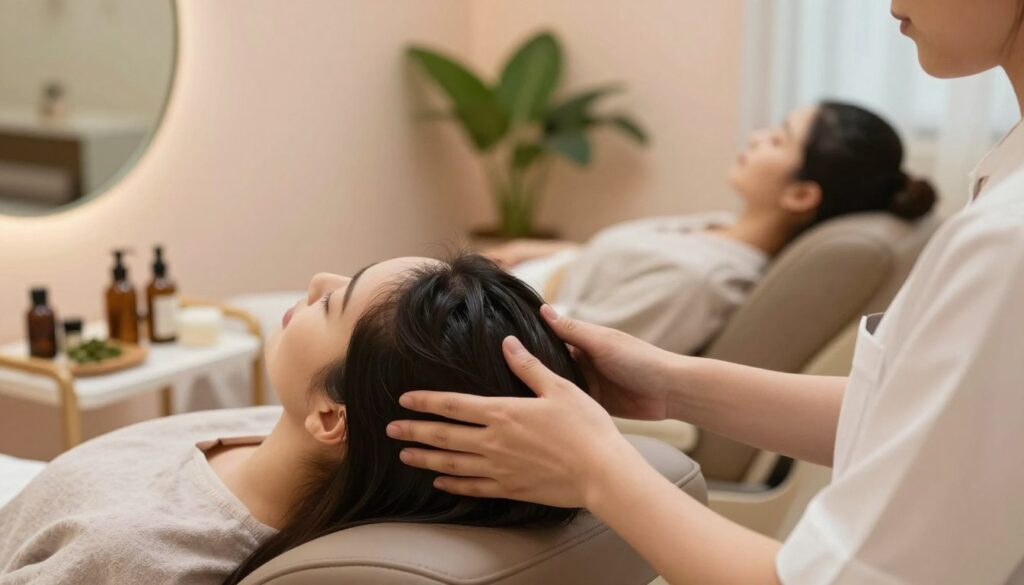
4. Practice Regular Scalp Massage to Boost Hair Growth
Scalp massage can boost hair growth by improving blood flow. It helps by sending more blood to your hair follicles. Using a nourishing oil can make it even more effective.
Science Behind Scalp Stimulation
Scalp massage increases blood flow. This is key for bringing oxygen and nutrients to your hair follicles. It can make your hair roots stronger, leading to healthier hair.
Proper Massage Techniques
To massage your scalp right, use your fingertips or special tools. It’s important to be gentle but firm enough to get blood flowing.
Fingertip Massage Method
With your fingertips, massage your scalp in circles. Start in the middle and move outwards. This spreads natural oils and boosts blood flow.
Using Massage Tools
Tools like scalp massagers or soft-bristled brushes can also help. They reach areas your fingers can’t and offer deeper stimulation.
| Massage Technique | Benefits |
|---|---|
| Fingertip Massage | Gentle, easy to perform, and effective for daily use |
| Using Massage Tools | Provides intense stimulation, can reach harder-to-access areas |
Adding scalp massage to your hair care can improve hair growth and scalp health. Regular massage, with the right tools and techniques, can really help.
5. Use Hair Growth Shampoos and Conditioners
Hair growth shampoos and conditioners can really help your hair. They nourish your scalp and strengthen your hair follicles. This creates a healthy environment for your hair to grow.
Active Ingredients to Look For
When picking a hair growth shampoo and conditioner, look for certain ingredients. Caffeine, biotin, keratin, and collagen are key. They help stimulate hair growth and improve hair health.
Caffeine and Biotin-Infused Products
Caffeine boosts blood flow to the scalp, helping hair grow. It also fights DHT, a hormone that causes hair loss. Biotin is a B-complex vitamin that strengthens hair follicles and improves hair health.
Keratin and Collagen Formulas
Keratin repairs and strengthens hair, reducing breakage and frizz. Collagen makes hair more elastic and improves texture. It’s great for healthy hair growth.
Here’s a comparison of the benefits of these ingredients:
| Ingredient | Benefits |
|---|---|
| Caffeine | Stimulates blood flow, counteracts DHT |
| Biotin | Strengthens hair follicles, improves hair health |
| Keratin | Repairs and strengthens hair, reduces breakage |
| Collagen | Improves hair elasticity and texture |
6. Minimize Heat Styling and Chemical Treatments
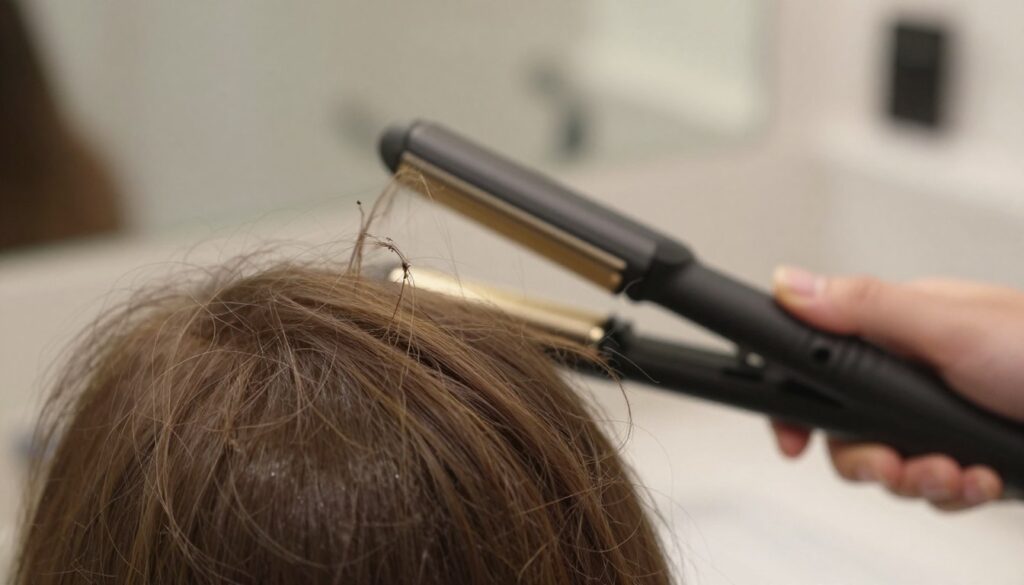
Too much heat styling and chemical treatments can harm your hair. Using hot tools like flat irons and blow dryers can damage hair follicles. Chemical treatments like bleaching and coloring can also weaken your hair, making it break more easily.
How Heat Damages Hair Follicles
Heat styling takes away your hair’s natural moisture. When hair gets hot, its outer layer opens, losing moisture and getting damaged. Using heat tools too much can make your hair brittle and prone to breakage, slowing down hair growth.
The Impact of Chemical Treatments
Chemical treatments can harm your hair’s structure, making it weak. These treatments can dry out your hair, making it brittle and more likely to break.
Bleaching and Coloring Effects
Bleaching and coloring can harm your hair. Bleaching can remove your hair’s natural color and moisture, causing damage. Coloring can also harm your hair, more so if done often or without proper care.
Perms and Relaxers
Perms and relaxers can also affect your hair’s health. Perms change your hair’s shape by breaking down its structure. Relaxers straighten curly hair but can weaken it if not done right.
To avoid damage, use heat protectant sprays and limit chemical treatments. Being careful with these can help your hair stay healthy and grow better.
7. Stay Hydrated for Optimal Hair Health
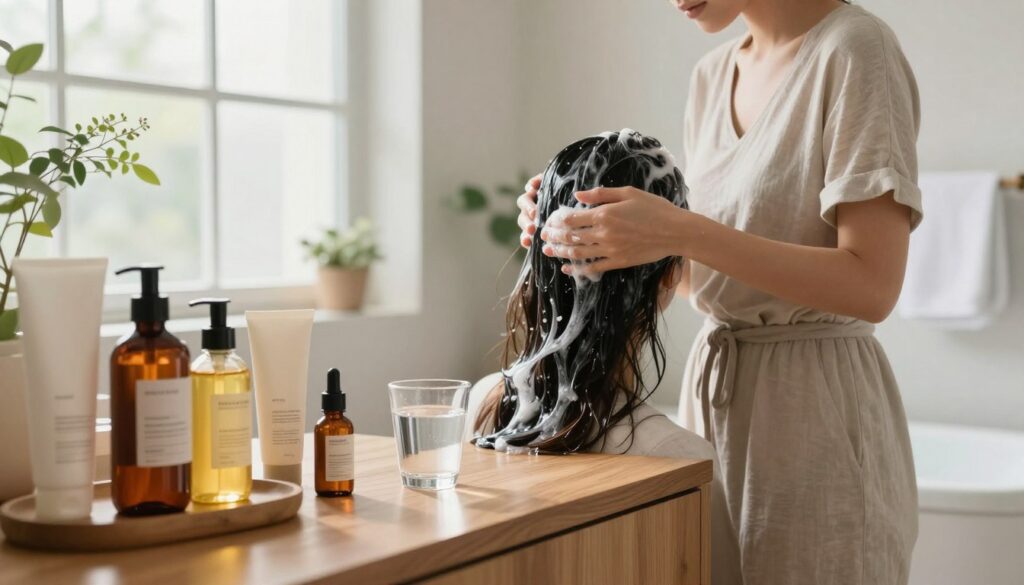
Drinking enough water is key for hair growth and health. It keeps your hair strong and healthy.
How Water Affects Hair Growth
Water is vital for hair growth. It keeps your scalp and hair follicles healthy. When you drink enough water, your hair grows faster and stronger.
Proper hydration also keeps your hair’s natural moisture balance. This is great for people with dry or damaged hair.
Daily Water Intake Recommendations
The right amount of water varies by age, sex, and activity level. Most say drink at least eight glasses a day. Some suggest half an ounce of water per pound of body weight.
- Drink water regularly throughout the day
- Avoid sugary drinks that can dehydrate you
- Monitor your urine output to ensure you’re drinking enough water
Signs of Dehydration in Hair
Not drinking enough water can make your hair dry and brittle. It can also break easily. Other signs include:
- Dullness and lack of shine
- Increased frizz and unmanageability
- Slow hair growth
If you notice these signs, try drinking more water. See if it helps your hair’s health and look.
8. Reduce Stress Through Lifestyle Changes
To promote hair growth, managing stress is key. Chronic stress can mess up the hair growth cycle. This leads to too much hair shedding and loss.
The Stress-Hair Loss Connection
Stress makes your body release cortisol, a hormone that harms hair growth. High cortisol levels can make hair follicles stop growing too soon. This causes hair loss.
Cortisol and Hair Growth Cycles
Cortisol messes with the hair growth cycle. It pushes more hair follicles into a resting phase. This means more hair shedding and less hair density.
Effective Stress Management Techniques
Managing stress is vital for healthy hair. Here are some good ways to do it:
- Meditation and Mindfulness: Mindfulness and meditation lower cortisol levels. They help you relax.
- Yoga and Physical Activity: Yoga and regular exercise reduce stress. They also boost your overall health.
- Quality Sleep Habits: Good sleep is key for stress management. It also helps hair growth.
Adding these stress management techniques to your daily life can help. They reduce stress’s negative effects on your hair. This promotes a healthier hair growth cycle.
9. Get Regular Trims to Prevent Breakage
Getting regular trims is a simple way to keep your hair healthy. Trims prevent breakage and split ends. These issues can damage your hair if left unchecked.
Why Trimming Promotes Healthier Growth
Trimming your hair regularly is key to its health. Without trims, split ends can spread up the hair shaft. This causes breakage and slows hair growth.
Regular trims can significantly improve your hair’s health and look. As
“The health of your hair is directly related to how well you maintain it, and regular trims are a critical part of that maintenance.”
Recommended Trimming Schedule
The timing of trims varies based on your hair type and growth. Most people should trim every 6-8 weeks. But, if your hair is damaged or fragile, you might need to trim more often.
| Hair Type | Trimming Frequency |
|---|---|
| Normal Hair | Every 8 weeks |
| Damaged or Fragile Hair | Every 6 weeks |
| Dry or Curly Hair | Every 10-12 weeks |
Signs You Need a Trim
Not sure if you need a trim? Look for split ends, breakage, or frizz. If your hair often tangles or shows visible damage, it’s time for a trim.
Adding regular trims to your hair care routine helps your hair grow healthier. It also prevents breakage.
10. Apply Hair Masks and Deep Conditioning Treatments
To get healthier and fuller hair, using hair masks and deep conditioning treatments is key. These treatments give your hair a deep dose of moisture and nourishment. They help fix and protect your hair from harm.
Benefits of Deep Conditioning
Deep conditioning treatments go deeper into your hair than regular conditioners. They offer more moisture and nourishment. This makes your hair softer, easier to manage, and less likely to break.
Regular deep conditioning also makes your hair look shinier and feel healthier. It’s great for dry, damaged, or processed hair. It helps restore the hair’s natural moisture balance.
DIY Hair Mask Recipes
Making your own hair masks at home is fun and saves money. Here are a few easy recipes to try:
Avocado and Coconut Oil Mask
Mashing avocado with coconut oil makes a mask that deeply moisturizes and protects your hair. Apply it from roots to ends and leave for 30 minutes before rinsing.
Egg and Honey Treatment
Beating eggs with honey makes a mask rich in protein. It strengthens and repairs damaged hair. Apply it to your hair and leave for 15-20 minutes before rinsing with warm water.
Aloe Vera and Castor Oil Blend
Mixing aloe vera gel with castor oil makes a soothing mask. It promotes healthy hair growth. Apply it to your scalp and hair, leaving it on for at least an hour before washing.
These DIY hair masks are a great addition to your hair care routine. They offer a natural way to promote healthy hair growth and improve your hair’s health.
11. Improve Blood Circulation with Exercise
Physical activity is key to better scalp circulation, leading to healthier hair. Exercise boosts blood flow, including to your scalp. This means more oxygen and nutrients for your hair follicles, helping them grow stronger.
How Exercise Promotes Hair Growth
Exercise boosts your heart health, which helps your hair grow. It makes sure your hair follicles get the nutrients and oxygen they need. Regular physical activity also lowers stress, a big cause of hair loss.
Best Exercises for Scalp Circulation
Not all exercises are good for scalp circulation. Some are better than others at boosting blood flow to the scalp.
Cardiovascular Activities
Cardio exercises like running, cycling, and swimming are great for scalp circulation. They raise your heart rate and blood flow. This ensures your scalp gets the nutrients it needs for healthy hair.
- Running
- Cycling
- Swimming
Yoga Poses for Hair Health
Some yoga poses can also help scalp circulation. Inversions like downward-facing dog and headstands increase scalp blood flow. Do these poses carefully and within your comfort zone to avoid strain.
| Exercise | Benefits for Hair Growth |
|---|---|
| Running | Improves cardiovascular health and increases blood flow to the scalp |
| Downward-Facing Dog | Increases blood flow to the scalp and reduces stress |
| Cycling | Enhances overall circulation, benefiting the scalp |
12. Protect Your Hair While Sleeping
Keeping your hair safe while you sleep is key to its health and growth. Sleeping can damage your hair through rubbing and tangling. This can cause breakage and slow down hair growth.
Why Nighttime Protection Matters
Nighttime protection is vital because it lessens hair damage from rubbing against your pillow. This rubbing can break your hair, more so if it’s long or fragile. Protecting your hair keeps it healthy and strong.
Dr. Joshua Zeichner, a dermatologist at Mount Sinai Hospital, says, “Friction from your pillowcase can cause hair to break, more so if it’s fragile or damaged.” The right pillowcase or hair wrap can make a big difference.
Silk Pillowcases and Hair Wraps
Using a silk pillowcase or hair wrap is highly recommended for hair protection at night. Silk is smooth and lets your hair slide over it without rubbing. This reduces hair breakage and tangles.
Here are some benefits of using silk for hair protection:
- Reduces friction and prevents breakage
- Helps maintain hair moisture
- Can reduce frizz and prevent tangles
Benefits of Silk vs Cotton
Silk pillowcases are better than cotton for hair protection. Cotton can rub against your hair and dry it out. Silk is gentle and keeps your hair’s natural moisture.
| Material | Friction Level | Moisture Retention |
|---|---|---|
| Silk | Low | High |
| Cotton | High | Low |
Choosing the Right Hair Wrap
When picking a hair wrap, think about the material and size. Silk or satin wraps are best because they’re smooth and gentle. Make sure the wrap fits comfortably without being too tight.
“A good hair wrap can make a big difference in your hair care routine,” says celebrity hairstylist Jen Atkin. “It’s a simple way to protect your hair while you sleep and wake up to healthier, more manageable hair.”
Adding nighttime hair protection to your routine can help your hair grow healthier and reduce damage. Whether you use a silk pillowcase or a hair wrap, the goal is to reduce friction and prevent breakage while you sleep.
Conclusion
By adding the 12 effective ways to boost hair growth to your daily routine, you can help your hair grow healthily. You’ll get the long, luscious locks you’ve always wanted. It’s all about proper hair care, a balanced diet, and the right techniques.
Following these hair growth tips can really change how your hair looks and feels. Just a few simple changes in your lifestyle and hair care can make a big difference. You’ll see your hair grow fuller and healthier.
Begin your journey to healthier hair today. Start using these effective hair care strategies. Watch as your hair transforms over time.
