

Feeling judged by others can really stop you in your tracks. This stress often comes from past trauma, abuse, or biology. It makes certain places feel like a war zone where you worry about being seen as inferior or not good enough.
Many adults deal with the fear of being judged all the time. This fear affects how you connect with friends and work colleagues. Luckily, getting help is easier than ever with digital platforms.
Choosing online therapy for social anxiety gives you tools to handle stress better. You can tackle your worries in a place you feel safe. This approach helps you reclaim your confidence and look forward to a brighter, calmer future.
Key Takeaways
- Understand how past trauma affects your daily social interactions.
- Gain professional support from the comfort and safety of your home.
- Learn effective methods to manage the constant fear of being judged.
- Address the biological roots and environmental triggers of your stress.
- Build lasting confidence through modern and flexible digital sessions.
- Improve your personal connections with friends, family, and coworkers.
Understanding Social Anxiety and Its Impact on Daily Life
Social anxiety disorder (SAD) is more than feeling nervous in social situations. It’s a serious condition that can stop personal and professional growth. It’s an intense, unreasonable fear of being in social situations, affecting an individual’s quality of life.
What Is Social Anxiety Disorder?
Social anxiety disorder is a mental health condition. It involves a persistent and excessive fear of social or performance situations. This fear can lead to significant distress and impairment in social, occupational, or other important areas of functioning.
The causes of SAD are complex. They include genetic predispositions, brain chemistry imbalances, environmental factors, and learned behaviors. Understanding these causes is key for effective treatment plans.
Common Symptoms and Signs You Shouldn’t Ignore
Identifying the symptoms of social anxiety is the first step towards seeking help. Common signs include:
- Fear of being judged or evaluated by others
- Avoidance of social interactions due to fear of embarrassment
- Physical symptoms such as rapid heartbeat, sweating, or trembling in social situations
- Difficulty making friends or maintaining relationships
- Fear of being the center of attention
These symptoms can vary in intensity and impact daily life to varying degrees. Recognizing them is essential for early intervention.
How Social Anxiety Affects Your Relationships and Career
Social anxiety can have a profound impact on both personal relationships and professional career advancement. Individuals with SAD may struggle to form and maintain relationships due to their fear of social interactions. In the workplace, SAD can hinder networking opportunities, presentations, and overall job performance.
Key effects on relationships include: difficulty in forming close relationships, avoidance of social gatherings, and misinterpretation of social cues.
Career-wise, SAD can lead to: missed opportunities for advancement, difficulty in communicating with colleagues or clients, and challenges in adapting to new work environments.
Understanding the far-reaching consequences of social anxiety disorder is key. It’s important for encouraging those affected to seek appropriate treatment and support.
The Rise of Online Mental Health Services
Virtual therapy has changed mental health care, making it easier to access. This digital shift has greatly improved the mental health scene.
How Digital Healthcare Has Transformed Mental Health Treatment
Digital healthcare has made mental health treatment more accessible and convenient. Now, people can get therapy from home, skipping long trips and waiting rooms.
Technology has also brought:
- More access for those in rural or underserved areas
- Flexibility in scheduling therapy sessions
- A broader range of therapy options
Why More Americans Are Choosing Virtual Therapy
More Americans are choosing virtual therapy for good reasons. It offers comfort and privacy at home. It also reduces anxiety, making it easier to talk openly during therapy.
| Year | Percentage of Americans Using Online Therapy | Growth Rate |
|---|---|---|
| 2020 | 15% | – |
| 2021 | 25% | 66.7% |
| 2022 | 35% | 40% |
How Social Anxiety Online Therapy Works
Online therapy for social anxiety has changed how we get mental health help. It’s flexible and comfortable, letting people get therapy at home.
Different Formats of Online Therapy Sessions
There’s no one way to do online therapy for social anxiety. There are many formats to fit different needs and likes. This way, people can pick what works best for them.
Live Video Conferencing Sessions
Live video chats are a favorite for online therapy. They let you talk face-to-face with your therapist. This makes the therapy feel more personal and engaging, helping to build a stronger therapeutic relationship.
Phone-Based Therapy Options
If you don’t like video or have bad internet, phone therapy is a good choice. It lets you talk to your therapist in real-time, even without video.
Text and Messaging Therapy
Text and messaging therapy is for those who like to communicate at their own pace. It’s great for people who get anxious in live talks.
Technology Requirements and Platform Features
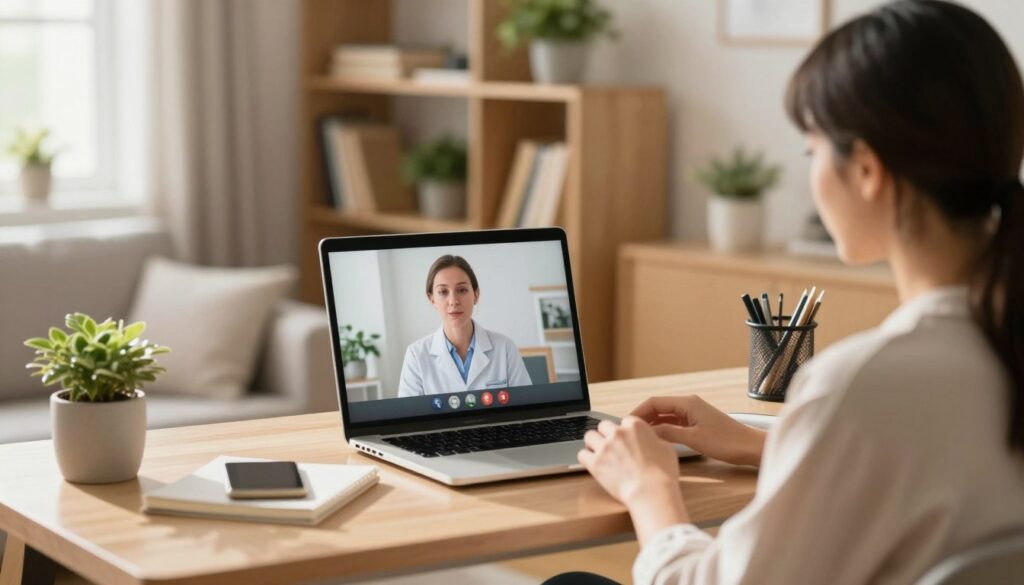
To do online therapy, you need a good internet connection and a device with a camera and microphone. Most platforms are easy to use and keep your info safe.
| Platform Feature | Description | Benefit |
|---|---|---|
| Secure Encryption | Protects client data and ensures confidentiality | Enhanced Security |
| User-Friendly Interface | Easy navigation and simple scheduling | Increased Accessibility |
| Flexible Scheduling | Accommodates various time zones and schedules | Greater Flexibility |
Knowing about the different formats and tech needs helps people choose the right online therapy for social anxiety.
Key Benefits of Online Therapy for Social Anxiety
Online therapy for social anxiety offers many advantages. It makes you feel more comfortable and is easier to get to. It helps solve many problems people with social anxiety face.
The Comfort and Privacy of Your Own Space
One big plus of online therapy is the comfort and privacy it gives. You can do sessions from home, avoiding the need to go out. This makes it easier to get help without feeling anxious.
Key aspects of comfort and privacy include:
- Attending sessions from a familiar environment
- Avoiding the stress of commuting or traveling
- Enhanced privacy and reduced fear of being seen by others
Reduced Anxiety About Attending In-Person Sessions
For those with social anxiety, going to in-person therapy can be scary. Online therapy takes away this worry. It lets you focus on getting better without the stress of meeting people face-to-face.
“Online therapy has been a lifesaver for me. I can now receive the help I need without the overwhelming anxiety of in-person sessions.”
Greater Flexibility in Scheduling and Location
Online therapy gives you more freedom in when and where you can go. This is great for those who are always busy or live far from mental health services.
Benefits of flexibility include:
- Easier scheduling around work or family commitments
- Access to therapy from any location with a stable internet connection
- The ability to choose from a wider range of therapists
Access to Specialized Therapists Nationwide
Online therapy lets you find therapists all over the country. This means you can find experts in social anxiety, no matter where you live.
Online therapy is a great way to treat social anxiety. It’s comfortable, reduces anxiety, flexible, and lets you find specialized care. It’s a good choice for many people.
Evidence-Based Treatment Approaches Used in Online Therapy
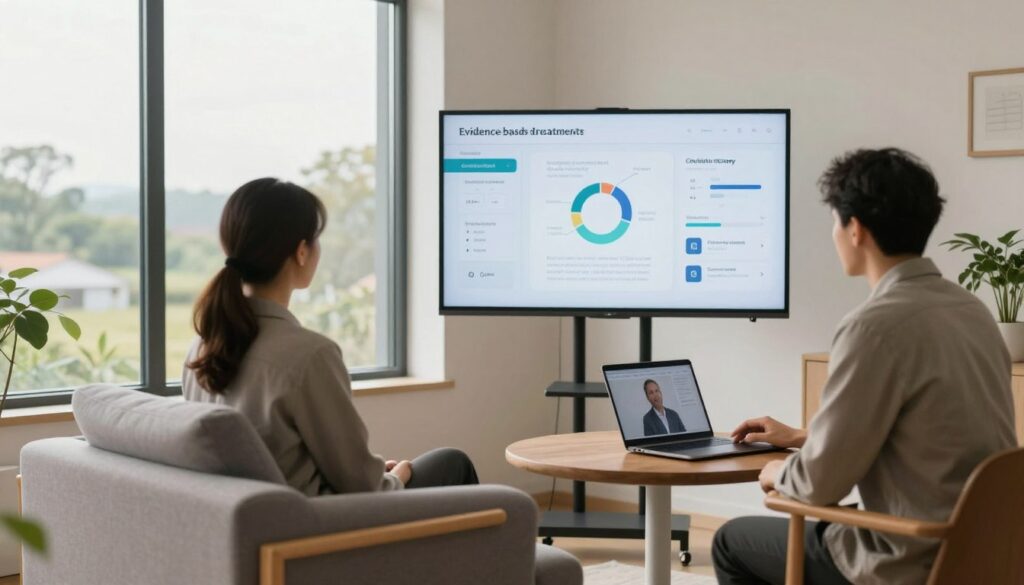
Online therapy for social anxiety uses evidence-based treatment approaches. These methods are backed by research and proven to work. They help people manage their social anxiety symptoms well.
Cognitive Behavioral Therapy for Social Anxiety
Cognitive Behavioral Therapy (CBT) is a key treatment for social anxiety. It helps people change negative thoughts and behaviors that cause anxiety. Through CBT, they learn how to handle anxiety in social situations.
CBT is structured. The therapist works closely with the client. Together, they create a treatment plan that meets the client’s needs.
Exposure Therapy in a Virtual Setting
Exposure therapy is another effective method in online therapy. It involves gradually facing the situations that cause anxiety. This is done in a safe, controlled environment.
In a virtual setting, exposure therapy mimics real-life social interactions. It helps individuals practice and improve their coping skills.
Acceptance and Commitment Therapy Techniques
Acceptance and Commitment Therapy (ACT) focuses on accepting thoughts, feelings, and experiences. It encourages taking action towards valued life goals, even with anxiety.
ACT in online therapy includes mindfulness exercises and values-based action. It also involves cognitive defusion.
Mindfulness-Based Interventions
Mindfulness-based interventions are used in online therapy too. They teach mindfulness skills like meditation and deep breathing. These skills help reduce stress and anxiety.
By practicing mindfulness daily, individuals become more self-aware. They can better cope with social anxiety.
What to Expect During Your First Online Therapy Session
Starting online therapy can feel both exciting and scary. Knowing what to expect can help calm your nerves. Your first session is key to tackling social anxiety, and being ready can make a big difference.
Initial Assessment and Goal Setting
In your first session, your therapist will do an initial assessment to get to know you and your social anxiety. You’ll talk about your symptoms, how they affect your life, and any therapy you’ve tried before. Goal setting is also important, where you and your therapist will set goals for your therapy.
- Discussing your social anxiety symptoms and their impact
- Exploring your therapy history and previous experiences
- Identifying your goals for therapy
Building Rapport with Your Therapist Virtually
Creating a strong bond with your therapist is key to therapy success. In your first session, you’ll start building this connection. Your therapist will make sure you feel comfortable and understood, creating a safe space for you.
Creating Your Personalized Treatment Plan
After the initial assessment and goal setting, your therapist will create a personalized treatment plan for you. This plan will be based on your needs and might include Cognitive Behavioral Therapy (CBT), Exposure Therapy, or Mindfulness-Based Interventions. Your therapist will explain why they chose these methods and how they can help you.
- Understanding your personalized treatment approach
- Learning about the therapeutic techniques to be used
- Discussing the expected duration and frequency of sessions
By the end of your first session, you’ll know what to expect and how to work with your therapist. Remember, taking this first step is a big accomplishment. You’ve already shown courage by seeking help.
Choosing the Right Online Therapist for Social Anxiety
Finding the right online therapist is key to beating social anxiety. Today, many qualified therapists offer their services online. But, it’s important to find one who matches your needs.
Look beyond a therapist’s basic credentials. Check if they specialize in social anxiety. Therapists skilled in cognitive behavioral therapy (CBT) or exposure therapy can be very helpful.
Important Credentials and Specializations to Look For
When searching for an online therapist, check for credentials like licensure and certification. In the U.S., licensed therapists have a degree in psychology or social work. They also pass a state exam. Look for specializations in anxiety or CBT.
Some important credentials include:
- Licensure in their state of practice
- Certification from a recognized professional body (e.g., American Psychological Association)
- Experience in treating social anxiety disorder

Essential Questions to Ask
Before starting online therapy, ask some questions. This helps you understand their approach and if you’ll feel comfortable with them.
Some questions to ask include:
- What experience do you have in treating social anxiety?
- What therapeutic approaches do you use?
- How will we work together to develop a treatment plan?
Finding a Good Therapeutic Match
Finding a therapist who fits you is essential for online therapy success. It’s not just about credentials. Rapport and compatibility are also important. Consider their communication style, availability, and flexibility.
By choosing an online therapist who fits you well, you’ll be more likely to manage your social anxiety effectively.
Popular Online Therapy Platforms in the United States
In the US, several online therapy platforms have changed how we get mental health help. They offer different services and features for various needs and likes.
BetterHelp
BetterHelp is a big name in online therapy, with a huge network of licensed therapists. It lets you send unlimited messages and have weekly sessions with a therapist. It’s easy to use and has flexible prices.
Talkspace
Talkspace is another top online therapy site, connecting users with licensed therapists. It has plans for text-based therapy and video sessions. People like it for its convenience and the chance to change therapists if needed.
Amwell
Amwell is a telehealth site that offers online therapy among other health services. It works with licensed therapists and psychiatrists for full mental health support. Amwell is known for its quality care and safe platform.
MDLive
MDLive is a telehealth site with online therapy services. It lets you talk to board-certified therapists and psychiatrists. It’s easy to use and has high-quality healthcare providers.
Here’s a quick look at what each platform offers:
| Platform | Key Features | Pricing |
|---|---|---|
| BetterHelp | Unlimited messaging, weekly sessions | Flexible plans |
| Talkspace | Text-based therapy, video sessions | Various plans |
| Amwell | Licensed therapists, psychiatrists | Competitive pricing |
| MDLive | Board-certified therapists, psychiatrists | Affordable options |
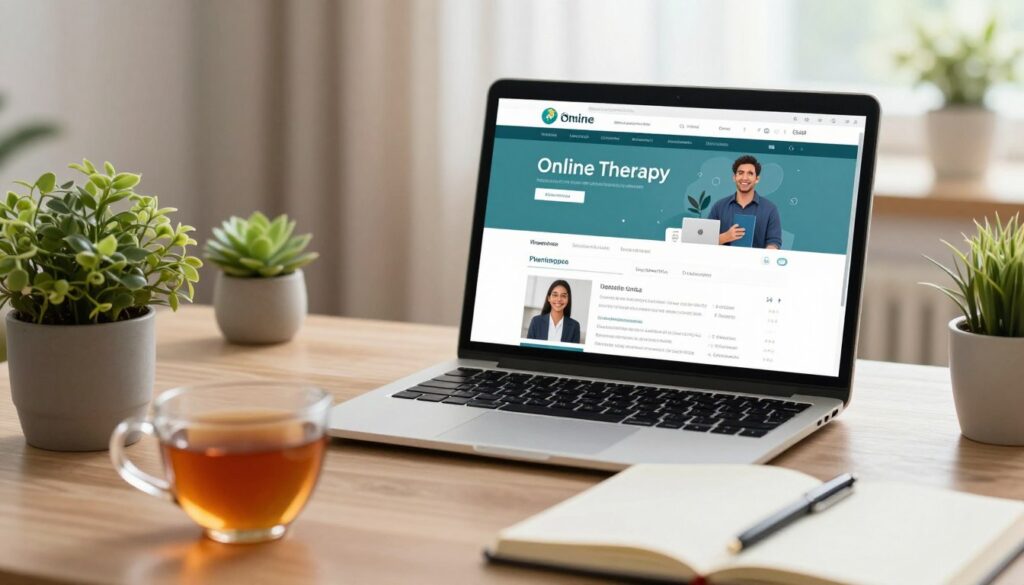
When picking an online therapy platform, think about what you need and like. Each platform has its own special features and benefits. It’s good to look into them more to find the right one for you.
Understanding Costs and Insurance Coverage
When you look into online therapy, knowing the costs and insurance options is key. The cost of mental health support is a big deal for many. It’s something to think about when you’re looking for help with social anxiety.
Average Costs of Online Therapy Sessions
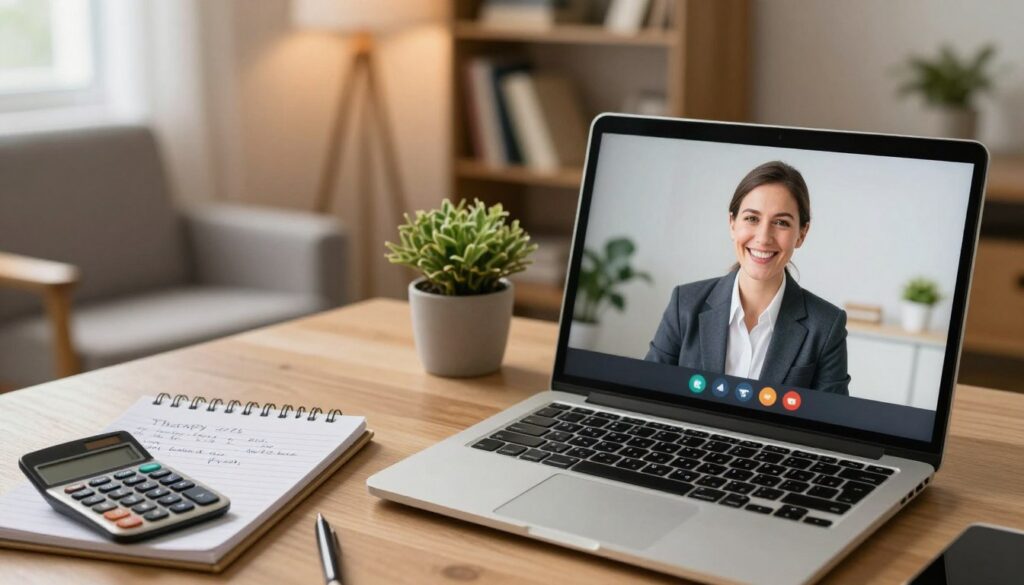
The price of online therapy sessions can change based on a few things. These include the therapist’s skills, how long the sessions are, and the platform used. On average, sessions can cost between $60 and $150. Some places offer deals or subscriptions that can make each session cheaper.
Factors influencing online therapy costs include:
- The therapist’s level of experience and specialization
- The type of therapy or counseling offered
- The duration of the therapy sessions
- Any additional resources or support provided
Insurance Coverage for Telehealth Services
Many insurance plans now cover telehealth, including online therapy. How much is covered can differ based on your plan and provider. It’s important to talk to your insurance to see what’s included.
Some key points to verify with your insurance provider:
- The specific telehealth services covered
- Any copays or deductibles associated with online therapy
- Whether there are any limitations on the number of sessions covered
- If there are preferred providers or networks for telehealth services
Affordable Options and Sliding Scale Fees
If you don’t have insurance or can’t afford it, there are cheaper ways to get help. Some therapists adjust their fees based on your income. Also, some online therapy platforms offer lower prices.
Exploring affordable options can include:
- Looking for therapists who offer sliding scale fees
- Considering group therapy sessions, which can be more cost-effective
- Utilizing online therapy platforms that offer competitive pricing
Measuring Progress and Treatment Effectiveness
Online therapy for social anxiety is measured in many ways. It uses research-backed methods and personal feedback. This ensures care is tailored to each person’s needs.
Research on Online Therapy Outcomes for Social Anxiety
Many studies have looked into online therapy for social anxiety. They found that online CBT is very effective in reducing symptoms. It’s as good as in-person therapy for those who prefer or need online sessions.
Key research findings include:
- Significant reduction in social anxiety symptoms among participants
- High levels of patient satisfaction with online therapy sessions
- Improved accessibility for individuals with mobility issues or those living in remote areas
Tracking Your Symptoms and Improvements
It’s important to track symptoms and improvements. This helps adjust the treatment plan as needed. People can use:
- Symptom journals to record experiences and feelings
- Standardized anxiety rating scales, such as the Liebowitz Social Anxiety Scale (LSAS)
- Regular feedback sessions with the therapist
By regularly checking their symptoms, people can see what’s working and what needs more work.
When to Adjust Your Treatment Plan
Changing the treatment plan is a normal part of therapy. It’s important to update the plan based on progress, new challenges, or personal changes. Signs that a plan might need a change include:
- Plateaus in progress
- Emergence of new symptoms or challenges
- Changes in personal goals or circumstances
Working together with the therapist is key to making the right changes to the treatment plan.
Practical Tips for Getting the Most from Online Therapy
Online therapy works best when you have the right setup and commitment. To get the most out of it, follow some practical tips.
Creating a Private and Comfortable Space for Sessions
Having a good environment is key for online therapy. You need a private and comfortable space for sessions. This space should be quiet and free from distractions.
To make it happen, consider these steps:
- Find a room with a door to keep out interruptions.
- Use noise-cancelling headphones or white noise to block out background sounds.
- Make sure the lighting is good and the seating is comfy.
Staying Consistent with Your Therapy Appointments
Being regular is important for progress in online therapy. Regular attendance builds trust with your therapist. To stay on track, try these:
- Book appointments at the same time every week.
- Use reminders on your phone or calendar.
- Think about what you want to talk about before your session.
Completing Homework and Practice Exercises
Therapists often give homework or practice exercises to help you apply what you learn. Doing these tasks is vital for your growth.
To get the most from them:
- Keep a journal to track your progress.
- Set aside time each day for the exercises.
- Tell your therapist if you’re having trouble with the tasks.
Communicating Openly with Your Therapist
Being open and honest is the heart of therapy. It’s important to communicate openly with your therapist about your feelings and experiences.
This means:
- Sharing your thoughts and feelings without holding back.
- Talking about any issues that come up during therapy.
- Sharing your thoughts on how therapy is going for you.
By following these tips, you can make your online therapy more effective.
Combining Online Therapy with Self-Help Strategies
Using self-help strategies with online therapy can be very helpful for managing social anxiety. Together, they offer a strong plan to fight symptoms and boost mental health.
Daily Practices to Manage Social Anxiety Symptoms
Daily habits can greatly help manage social anxiety. Activities like mindfulness meditation and deep breathing exercises can lower anxiety and help control emotions. A mental health expert says, “Being consistent with mindfulness is important. Regular practice can really reduce anxiety symptoms.”
“The mind is everything; what you think, you become.”
Other daily habits include:
- Keeping a journal to track thoughts and feelings
- Engaging in regular physical activity
- Practicing gratitude by reflecting on positive experiences
Building a Support Network
Having a support network is key for those with social anxiety. This network can include friends, family, support groups, and online communities. A strong support system offers emotional comfort and practical help when needed.
To build a support network, consider:
- Joining local or online support groups for social anxiety
- Reaching out to trusted friends or family members
- Participating in online forums or social media groups focused on mental health
Lifestyle Changes That Support Mental Wellness
Changing your lifestyle can also support mental wellness and help manage social anxiety. This includes eating well, getting enough sleep, and avoiding too much alcohol and caffeine.
Dr. Sarah Jones, a clinical psychologist, advises, “A healthy lifestyle can greatly impact mental health. Simple changes, like better sleep or a balanced diet, can greatly reduce anxiety symptoms.”
Key lifestyle changes to consider:
- Eating a balanced diet rich in fruits, vegetables, and whole grains
- Establishing a consistent sleep schedule
- Engaging in regular physical activity to reduce stress and anxiety
Conclusion
Social anxiety online therapy is a great way to help those with social anxiety disorder. It lets people get help from home, which can make them feel less anxious than going to a therapist’s office.
Online therapy offers many ways to connect with therapists. People can learn new ways to deal with their anxiety. This makes it easier to start feeling better.
Adding self-help to online therapy can make a big difference. Simple daily habits and changes in lifestyle can help a lot. If you’re dealing with social anxiety, online therapy could be a good start. It’s a step towards feeling more confident and happy.
